9 min read

Why Bybit P2P Is Risky in 2026 and How OneSix Replaces It.

Learn the real risks of using Bybit P2P: frozen bank accounts, KYC pressure, sanctions and scams. Discover how to spend USDT safely via OneSix with QR payments instead of P2P.

Why Bybit P2P Is Risky in 2026 and How OneSix Replaces It.
Why Bybit P2P Is Risky in 2026 and How OneSix Replaces It

Why Bybit P2P Is Risky in 2026 and How OneSix Replaces It

In 2026, P2P on exchanges like Bybit is no longer just “a bit inconvenient” – it has become a genuinely risky way to move USDT into fiat, especially in high‑risk and sanctioned regions.

How Bybit P2P works and why it looks attractive

The P2P section on Bybit lets you sell USDT directly to other users and receive local fiat to your bank account.

The flow looks simple: you lock USDT in escrow, the buyer sends money to your bank, you confirm receipt and release the crypto.

Zero fees, high limits and a polished UI make it look like a perfect cash‑out solution in 2026 at first glance.

The real Bybit P2P risks nobody likes to talk about

The core problem: with P2P you have zero control over where the buyer’s money actually comes from.

If the fiat is linked to fraud, scam operations or money laundering, your personal bank account can be frozen while investigators sort things out.

1. Bank account freezes because of “dirty” counterparties

Banks see only an incoming transfer from a private individual; if that sender is flagged later, your account may be locked for months under “suspicious activity” rules.

Even if you are a completely honest trader, you are the one dealing with compliance teams, paperwork and sometimes even law enforcement.

2. P2P scams, fake receipts and impersonators

Users regularly report common P2P scam patterns: fake payment confirmations, phishing emails and people impersonating the official support team to push you into releasing crypto too early.

Many scammers move the conversation to external messengers and use third‑party payment services, which makes it difficult to prove anything later if the deal goes wrong.

3. Tightened KYC, sanctions and regional restrictions

Major exchanges are tightening KYC for most key features: fiat services, P2P, higher limits and many financial products.

Due to international sanctions, several banks and payment routes were removed from P2P, while platforms try to minimize “grey‑zone” operations to stay compliant.

4. Constant stress: every P2P trade feels like a risk

For active P2P sellers, every larger trade becomes a source of anxiety: you double‑check sender names, payment notes and small details hoping this transfer will not put your account under review.

If you rely on USDT as your main income, this is not a sustainable lifestyle in 2026.

Why QR payments are safer than chasing P2P cash‑outs

The typical P2P logic is: sell USDT, get fiat to card, then spend that fiat in shops, apps and marketplaces.

But in 2026 it makes far more sense to skip the “cash‑out to card” step and pay directly for goods and services in one move — via QR payments.

Paying by QR instead of P2P gives you:

  • Fewer direct interactions with random individuals and suspicious transfers into your bank account.
  • A consumer‑style transaction pattern: you look like a normal customer paying an invoice, not someone cashing out crypto.
  • Lower risk of account freezes because banks treat QR payments for purchases as regular retail activity.
  • No disputes or “he said, she said” situations with P2P buyers and sellers.

OneSix: a calm alternative to Bybit P2P

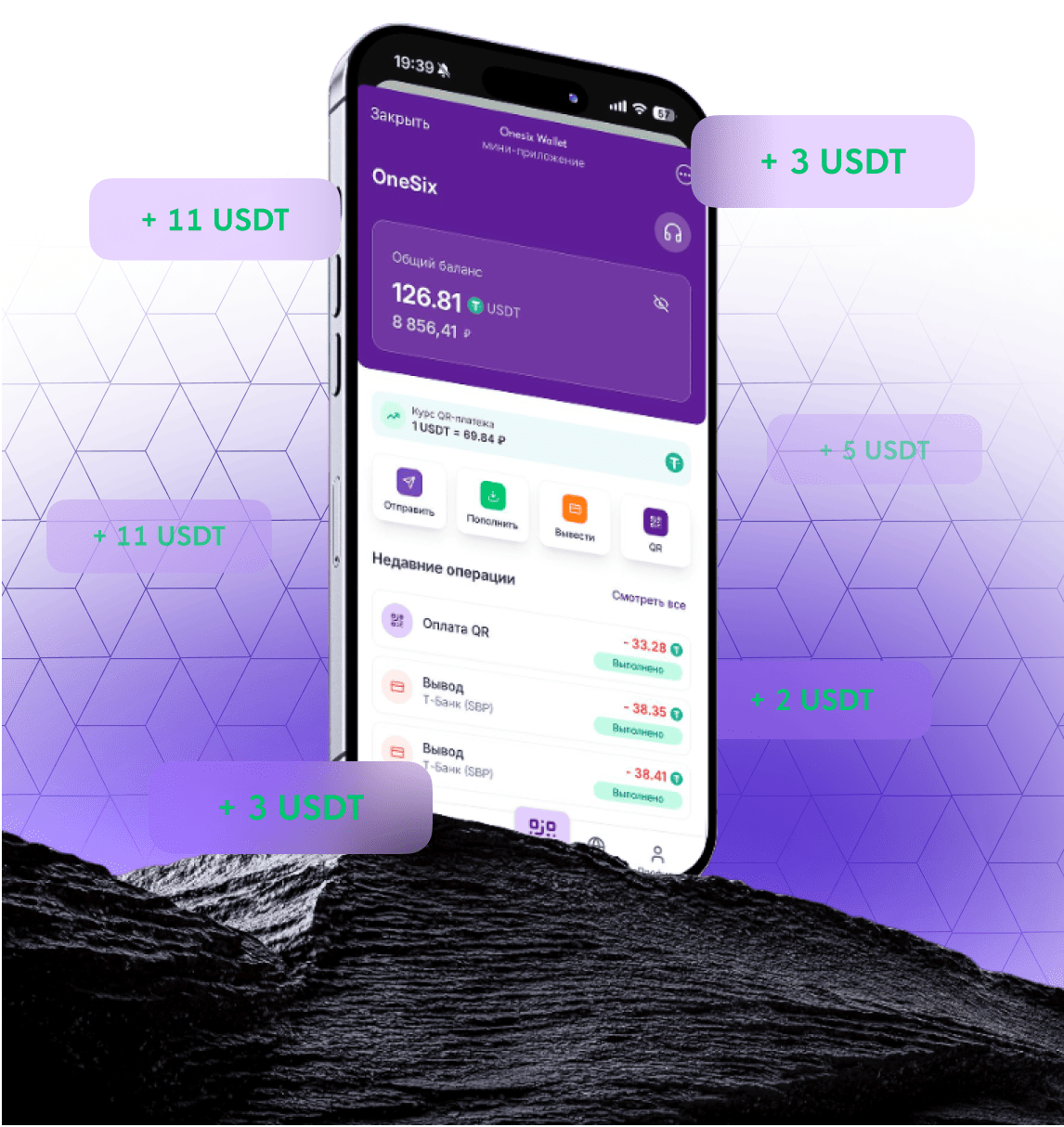
OneSix is a custodial USDT wallet and QR‑payment service that lets you spend crypto exactly where you already spend fiat.

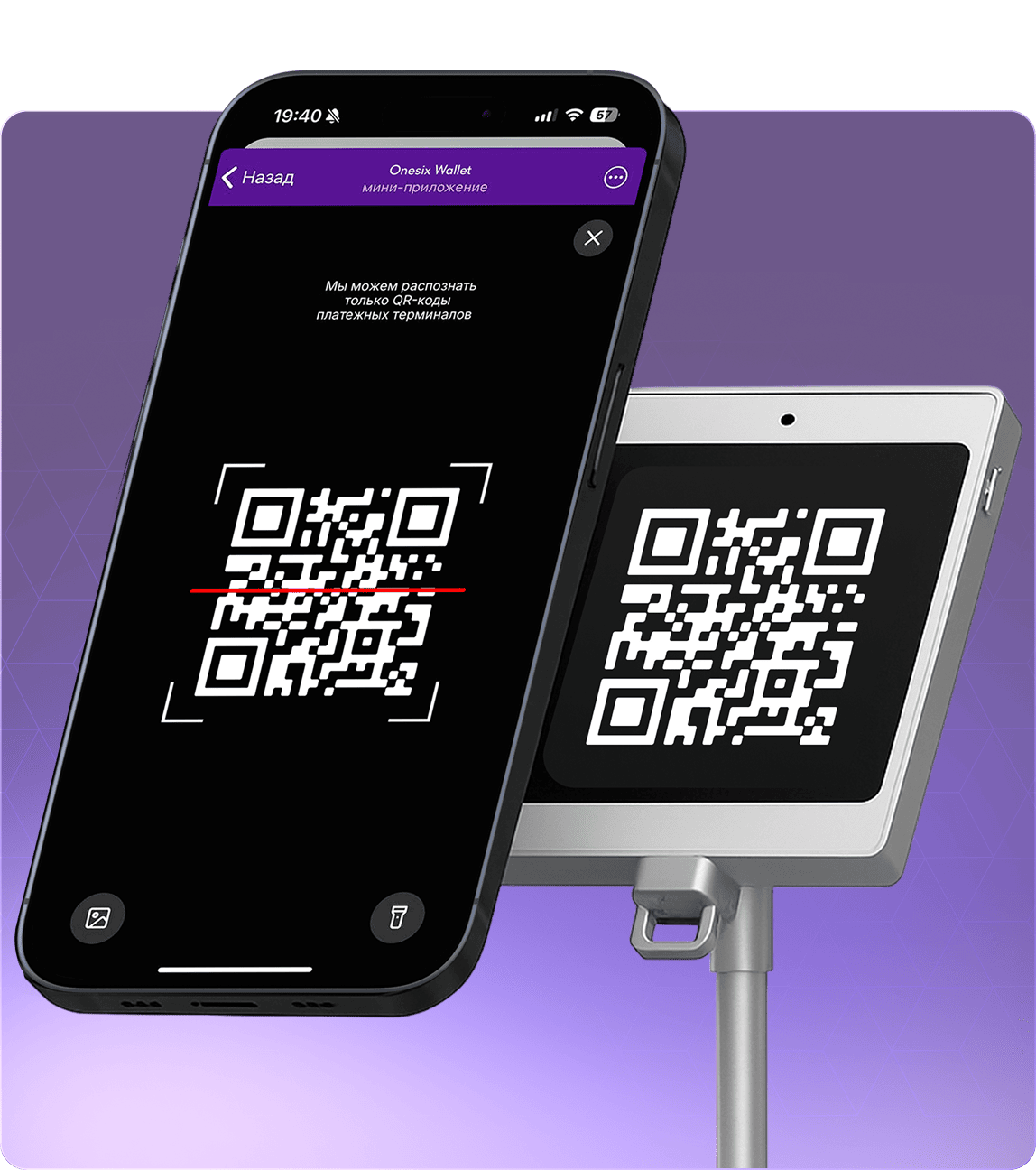
Instead of selling USDT on P2P and withdrawing to your card, you top up your OneSix balance and simply scan a QR code to pay the merchant.

What you get with OneSix

  • USDT → QR payment without sending money to your personal bank card first.
  • No random P2P counterparties and no shady incoming transfers that might trigger compliance alarms.
  • Clear fees and transparent conversion rates — not a “market” of risky P2P ads.
  • A payment pattern that looks like ordinary consumer spending, not cash‑out activity.

In practice, OneSix replaces both the P2P exchange and the card you normally use for everyday purchases.

When you really should stop using Bybit P2P

There are several situations where continuing to rely on P2P in 2026 is especially dangerous:

  • You regularly cash out mid‑ to high‑volume USDT for living expenses.
  • You receive many payments from different P2P buyers every week.
  • You live in a country under sanctions or with aggressive anti‑fraud monitoring.
  • You cannot afford to have your main bank account frozen for months.

In these cases, paying directly with crypto via QR is a much more sustainable pattern than constantly juggling P2P trades.

How to move from Bybit P2P to OneSix payments

  1. Open the Telegram bot @onesix_wallet_bot.
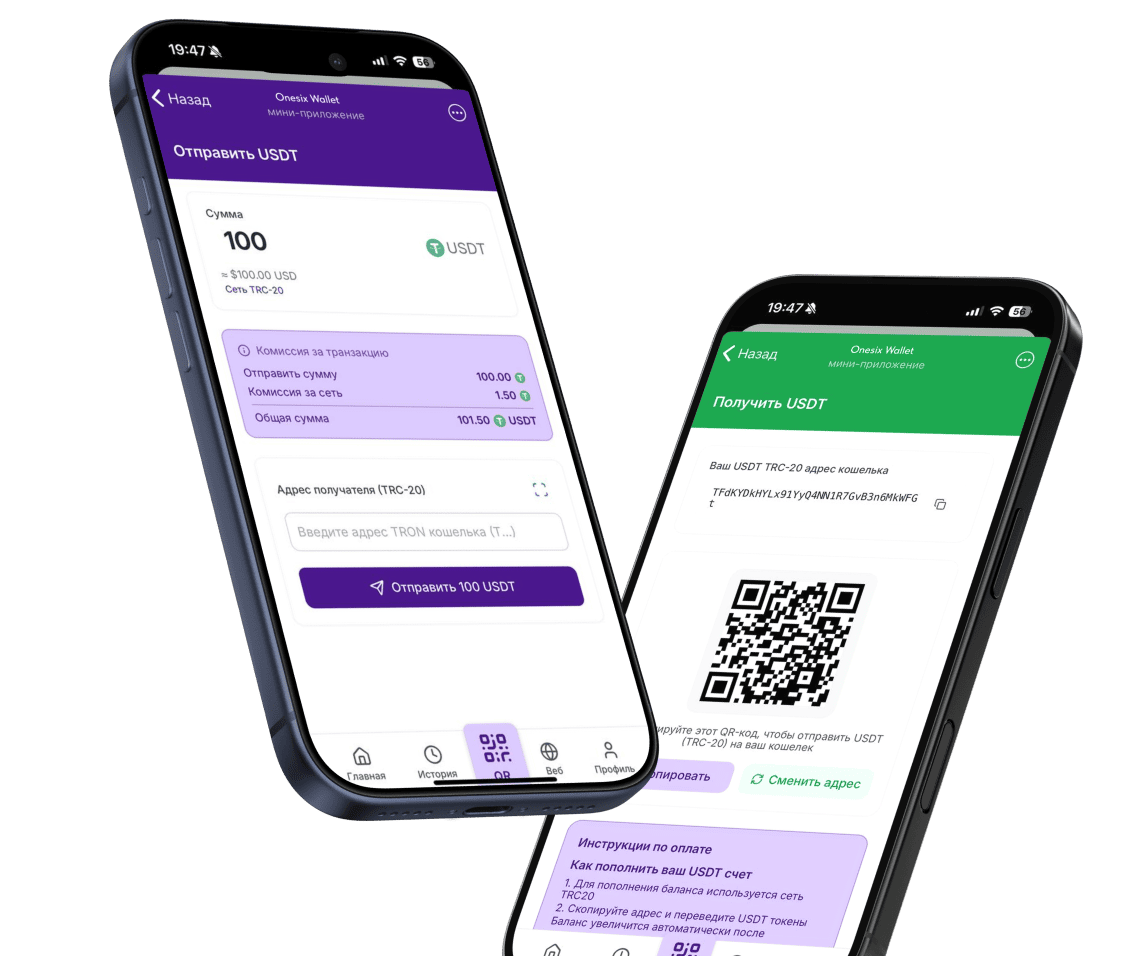
  2. Create your USDT wallet and top it up from any exchange or wallet.
  3. Choose QR payment inside the bot and scan the merchant’s QR code.
  4. Confirm the amount — the merchant receives local fiat, while you spend USDT.

Instead of thinking “I hope this P2P buyer is safe”, you just pay like a normal customer and keep using your crypto balance.

Bottom line: P2P is losing, OneSix is winning

In 2026, P2P on exchanges is heavily affected by scams, regulatory pressure, sanctions and bank‑account risks — and the trend is not getting better.

If your goal is to live on USDT calmly, not to fight with banks and support teams, switching from P2P cash‑outs to QR payments via OneSix is a natural next step.

Try OneSix once, and P2P will remain only a trading tool for you — not the foundation of your daily financial life.

👉 @onesix_wallet_bot