7 min read

Where and How to Buy Ethereum in 2026 and How to Spend It in Russia via OneSix

Where and how to buy Ethereum in 2026: exchanges, P2P and brokers. How to buy ETH safely, convert it into rubles and pay for everyday expenses in Russia via OneSix and SBP QR.

Where and How to Buy Ethereum in 2026 and How to Spend It in Russia via OneSix

Where and How to Buy Ethereum in 2026 and How to Spend It in Russia via OneSix

Ethereum (ETH) is the second‑largest cryptocurrency and the backbone of DeFi, NFTs and smart contracts. In 2026, you can buy ETH through exchanges, P2P platforms, exchangers and brokers, but users in Russia need to think not only about price, but also about safety, fees and how banks treat crypto‑related payments.

This article explains where and how to buy Ethereum, which methods are suitable for beginners and advanced users, and how to conveniently realize crypto in Russia and pay via OneSix without constant P2P cash‑outs to your card.

Where to buy Ethereum: main options

1. Centralized cryptocurrency exchanges

Major exchanges are the most common way to buy ETH. You sign up, complete KYC, deposit funds via bank card or payment gateway and buy Ethereum in the desired amount.

Pros: high liquidity, accurate quotes, many trading pairs, easy swapping between ETH and other tokens. Cons: mandatory verification, possible card restrictions for Russian users and increased scrutiny of payments to exchanges.

2. P2P platforms

P2P services let you buy ETH directly from other people: you send rubles to the seller, and they send Ethereum to your wallet while the platform provides escrow protection.

Pros: a wide choice of payment methods and local banks. Cons: bank card blocks are common for “suspicious” transfers, and you must carefully review counterparty reputation and deal terms.

3. Online exchangers

Online exchangers allow you to buy ETH via bank transfers, e‑wallets or other cryptocurrencies. Rates are often slightly less favorable than on exchanges, but the flow is simpler.

Pros: fast “fiat → ETH” flow with minimal steps. Cons: higher spreads, limited limits and the need to choose reputable providers.

4. Brokers and fintech apps

Some brokers and fintech apps offer Ethereum exposure through built‑in crypto modules, derivatives or tokenized products. This is convenient if you already use these apps for investing.

Pros: everything in one app, simple UX. Cons: you may not always be able to withdraw real ETH to an external wallet and might only get price exposure.

How to buy Ethereum safely

  • Stick to reputable exchanges and services with a proven track record.
  • On P2P platforms, carefully check seller ratings, completed deals and accepted payment methods.
  • Never send money off‑platform to third parties outside the official trade flow.
  • Keep receipts, screenshots and transaction IDs in case of disputes or bank questions.

Where to store ETH after buying

After buying ETH, it is better not to leave it on an exchange for long. Suitable options include:

  • Hardware wallets — for long‑term storage and larger balances.
  • Non‑custodial wallets (MetaMask, etc.) — for DeFi and Web3 use.
  • Custodial and payment wallets — for everyday spending and fiat withdrawals.

A common setup is to keep part of your ETH in cold storage and convert another portion to stablecoins on payment services used for daily spending and cash‑outs.

Ethereum and Russian regulations

In Russia, cryptocurrencies are not recognized as legal tender, so paying merchants directly with on‑chain ETH is legally problematic. A safer approach is to hold ETH as an investment asset, convert some of it into a stablecoin when needed and then use a payment service that sends merchants rubles via official rails such as SBP.

This reduces the risk of card blocks and extra bank questions, while merchants see your payments as regular ruble transfers.

OneSix: a convenient way to spend Ethereum in Russia

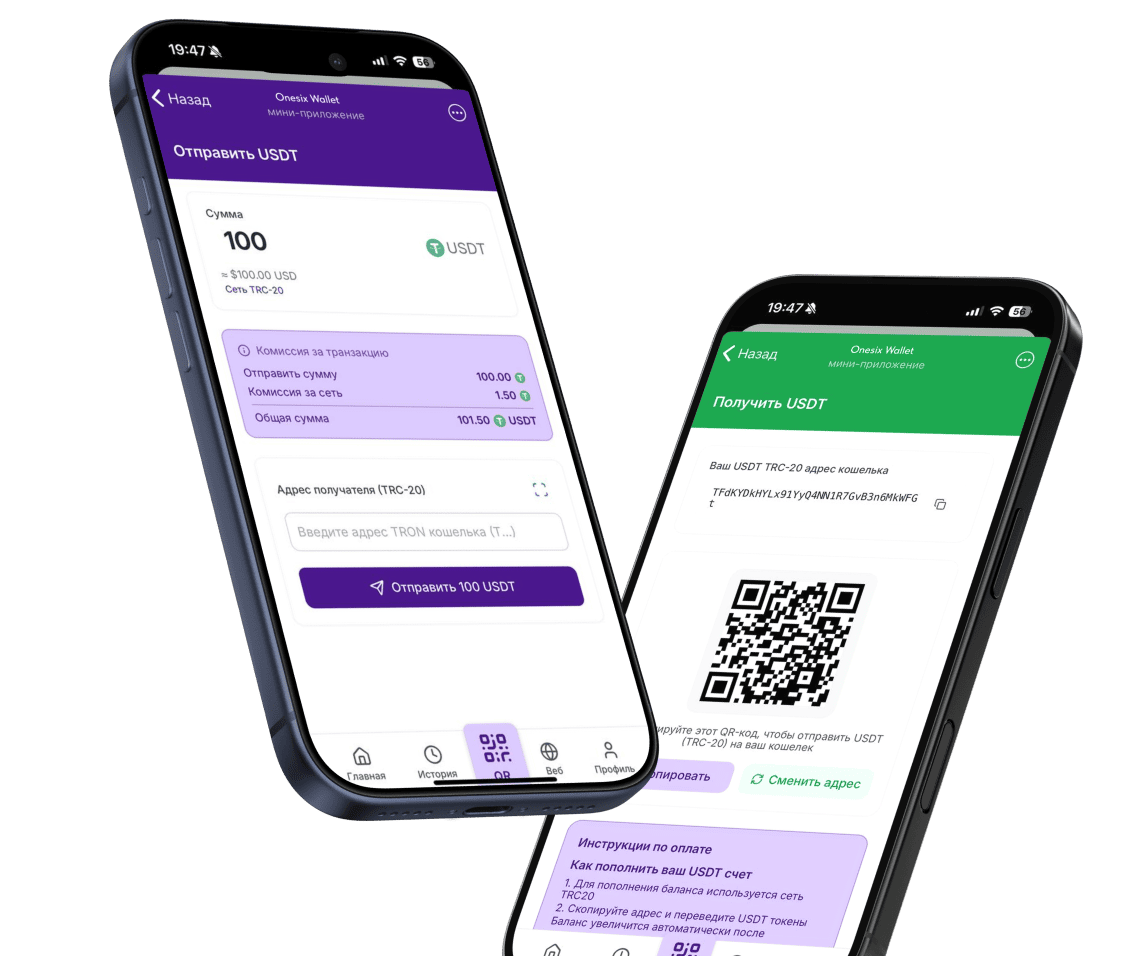
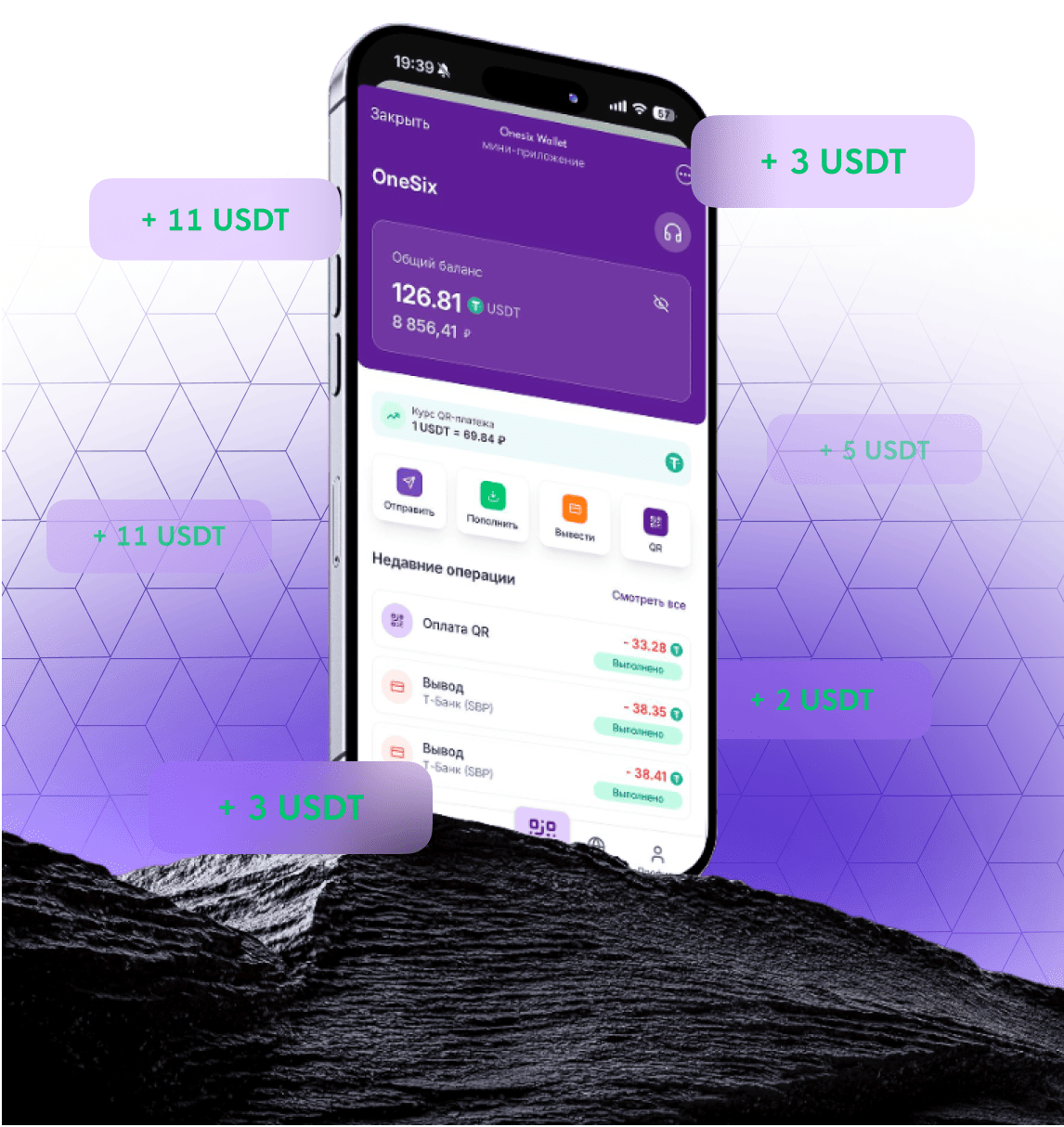
OneSix is a crypto wallet and payment service designed for Russian users. It lets you store crypto, top up your balance, pay for goods and services via ruble SBP QR codes and withdraw funds to Russian bank cards.

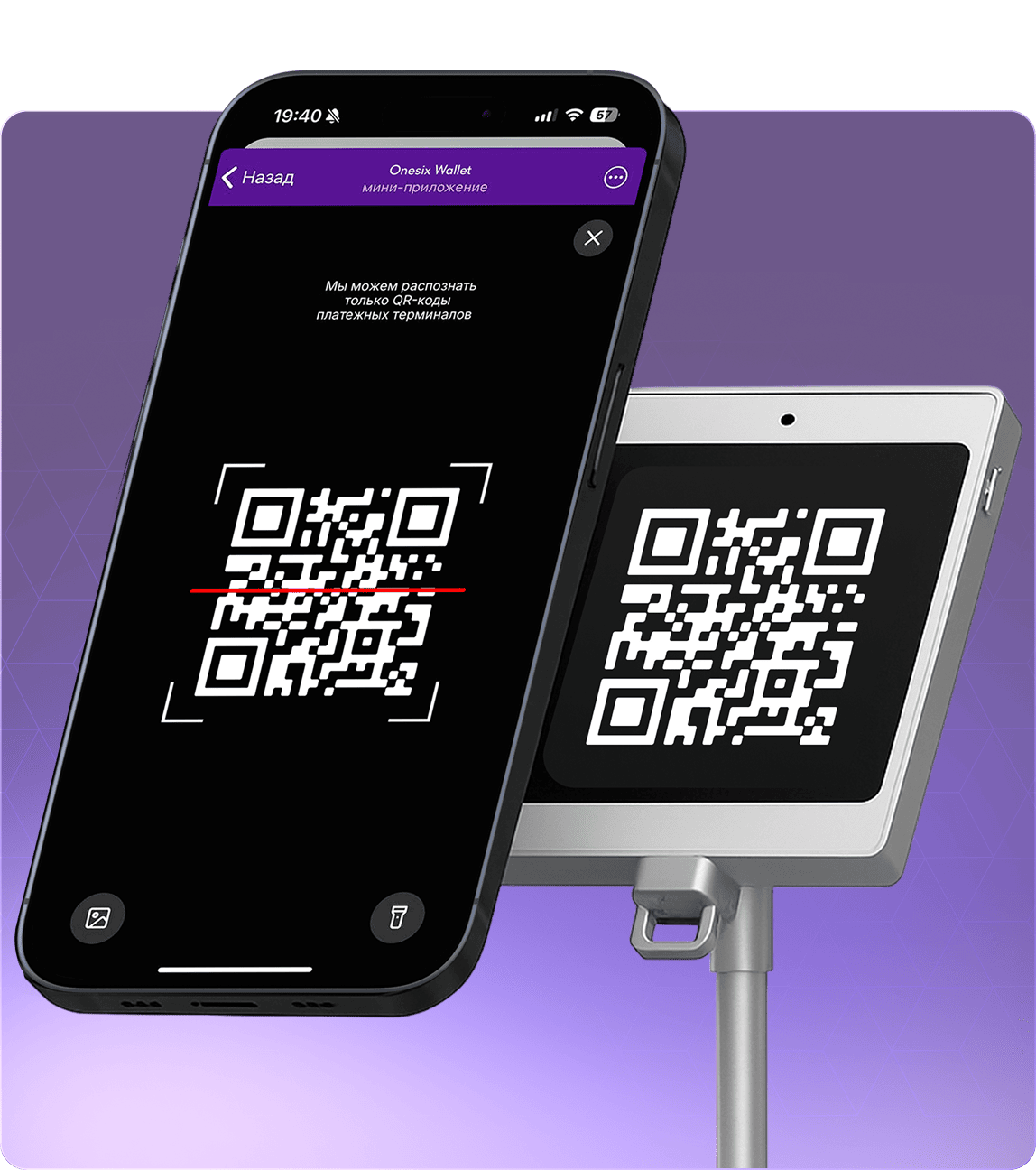
A typical flow: you buy ETH on an exchange or P2P platform, swap part of it to a stablecoin (such as USDT) on a low‑fee network, top up your OneSix wallet and then pay by scanning SBP QR codes from within the service. For the merchant, it looks like a standard ruble payment; for you, it is spending crypto.

Step‑by‑step: how to pay via OneSix

  1. Buy Ethereum using your preferred method (exchange, P2P, exchanger).
  2. Swap part of your ETH to a stablecoin (USDT/USDC) on the same platform.
  3. Withdraw the stablecoin over a low‑fee network and top up your OneSix wallet.
  4. At checkout, choose SBP QR payment with the merchant.
  5. Scan the QR code in the OneSix interface and confirm the payment.
  6. OneSix converts your stablecoins into rubles and sends the transfer to the merchant.

Withdrawals to rubles and cash‑out

If you also need rubles on your bank card, you can use OneSix’s withdrawal functionality. Smaller payouts are usually sent as transfers from a legal entity, while larger withdrawals are handled through controlled channels, which helps reduce the risk of bank flags.

Practical tips for working with ETH

  • Separate long‑term ETH holdings from the portion you plan to spend.
  • For daily expenses, it often makes sense to convert ETH to stablecoins and keep them on a payment service.
  • Monitor Ethereum gas fees and, if possible, use cheaper networks for moving stablecoins.
  • Respect tax obligations and keep transaction history.

This article is for informational purposes only and does not constitute financial or legal advice.