USDT TRC20 vs Digital Ruble and Stablecoins: What Makes Sense in Russia in 2026
A practical comparison of the digital ruble, stablecoins and USDT TRC20 — and how to use them safely with the OneSix wallet.
2026 landscape: digital ruble rollout, stablecoin law and USDT’s role
By 2026, three major trends converge in Russia: the large‑scale rollout of the digital ruble, work on a dedicated stablecoin law, and the de facto dominance of USDT on TRC20 as the main rail for cross‑border transfers and P2P settlements.
The digital ruble is being built as a state‑controlled platform with mandatory acceptance for large businesses, while stablecoins and USDT TRC20 remain a more flexible layer for private transfers, payouts and international settlements. The real question is not which one «wins», but how to use each instrument wisely for specific tasks.
Digital ruble in simple terms
The digital ruble is the third form of national currency, alongside cash and non‑cash bank money. Technically, it is a central bank digital currency (CBDC) issued and recorded by the Bank of Russia in a unified system.
Key properties for end‑users:
- accounts are opened within the central bank infrastructure (via banks and fintechs), not on exchanges or in self‑custody wallets;
- all operations are fully visible to the regulator, with the ability to implement automatic limits and freezes under the law;
- payments rely on QR codes and the existing Faster Payments System, with no exchange‑rate volatility.
Step by step, businesses with significant annual turnover will be required to accept digital ruble payments, and banks will have to support this infrastructure. For everyday users, this means the digital ruble will gradually appear as a default option in large retail chains and services.
Stablecoins: from legal grey zone to dedicated regulation
Stablecoins are tokens pegged to fiat currencies or baskets of assets, most commonly to the US dollar. USDT, USDC and ruble‑pegged tokens are all part of this asset class, which regulators increasingly treat separately from volatile crypto assets.
Russia’s Ministry of Finance and the Central Bank are working towards a dedicated stablecoin law: the goal is to define their legal status, clarify who can use them and in which contexts, and integrate them into the financial system. A particular focus is on cross‑border trade and corporate payments, while retail speculation remains a secondary concern.
Why USDT TRC20 became the workhorse
USDT exists on multiple networks, but the combination of USDT + TRC20 has become the default for transfers to and from Russia. The reasons are straightforward:
- very low fees on the TRON network — often less than a cent per transfer under normal conditions;
- fast confirmations in seconds, without congested mempools and gas wars seen on Ethereum;
- support from most major exchanges and wallets, with well‑established on‑ and off‑ramp routes.
As a result, freelancers, arbitrage traders, affiliates and ordinary users tend to see USDT TRC20 not as an investment, but as a practical payment rail: receive funds, keep value in dollars, convert to rubles or pay for goods and services.
Where OneSix fits: a USDT TRC20 entry point for Russian users
OneSix is a wallet designed around USDT TRC20 and real‑life flows like «crypto → rubles → QR/card payments» for Russian users. The goal is not only to store tokens, but to handle the full lifecycle of a transaction safely.
- a focus on TRC20 lowers the chance of accidentally picking the wrong network when withdrawing;
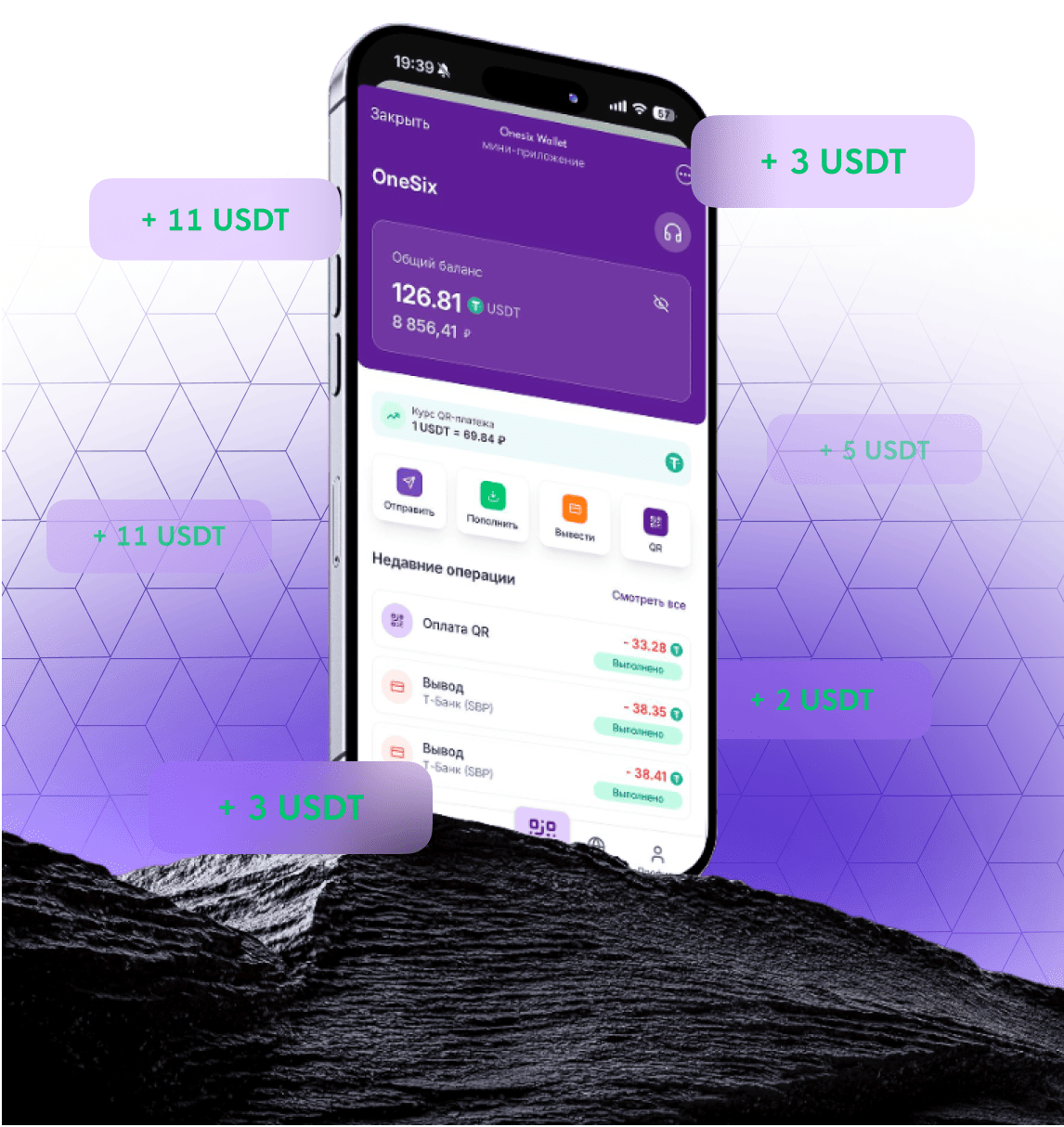
- clear transaction statuses and fee hints help you avoid common mistakes;
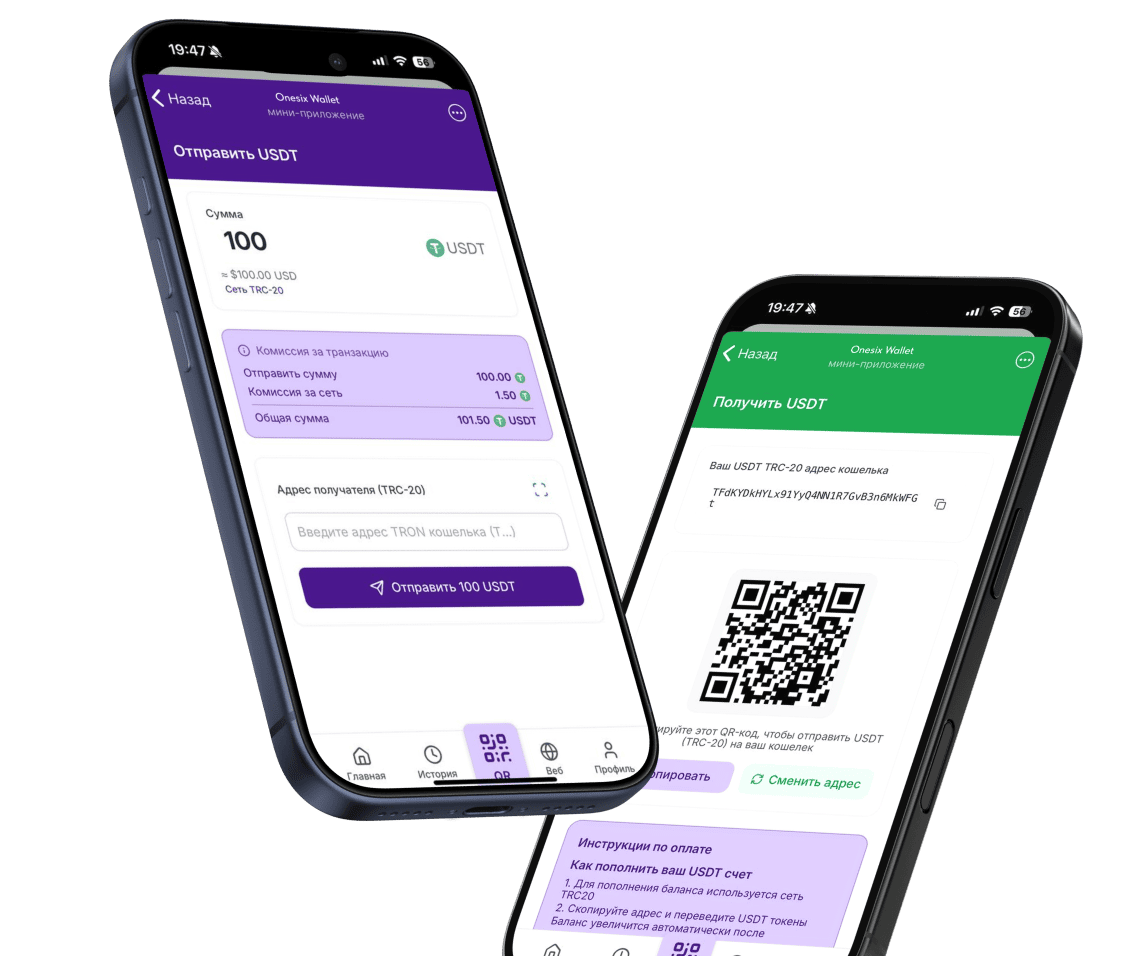
- the wallet is built for real‑world tasks: receive USDT, verify the transfer, convert to RUB and pay in a familiar way.
OneSix is not about «x100» promises. It is about making USDT TRC20 and stablecoins in general a normal, manageable payment tool for people and businesses in Russia.
Digital ruble vs USDT TRC20: different tools for different jobs
Broadly speaking, these instruments serve different purposes:
- Digital ruble is an on‑shore tool within Russian jurisdiction: salaries, utilities, taxes, mass retail, social payments.
- USDT TRC20 is a «global dollar» for international transfers, P2P payments, freelance income and savings in foreign currency.
The risk profiles differ as well:
- the digital ruble is fully transparent to the state — a plus for legality, but a minus for those who highly value financial privacy;
- USDT TRC20 carries issuer risk (Tether), external sanctions risks and potential card/bank scrutiny on off‑ramps.
When each instrument makes sense
Digital ruble is reasonable when
- you pay for goods and services inside Russia where the merchant officially accepts the digital ruble;
- you receive salaries, benefits or other payouts offered in this format;
- you need maximum legal clarity in Russian rubles.
USDT TRC20 is reasonable when
- you receive payments from foreign clients or platforms;
- you send P2P transfers between individuals in different countries;
- you keep part of your savings in dollar‑pegged stablecoins;
- you need fast flows like «USDT → RUB → QR/card payment» without unnecessary intermediaries.
The smart strategy is not to pick one and ignore the other, but to use both where they are strongest: digital ruble for domestic, fully regulated flows, USDT TRC20 for flexibility and cross‑border cases.
Other stablecoins in the picture
Beyond USDT, ruble‑pegged and other stablecoins are emerging, some with potential official status within Russia. They may become a bridge between the digital ruble and international payments, especially if approved for foreign trade.
However, at the retail level, USDT TRC20 still dominates in liquidity, user familiarity and the number of ready‑made on/off‑ramp routes. For now, it is often easier for users to master USDT safely than to experiment with exotic tokens.
How to use USDT TRC20 safely in 2026
A few basic rules in a tightening regulatory environment:
- always verify transactions in a blockchain explorer (Tronscan) and make sure you are on the TRON network;
- double‑check recipient addresses by the first and last characters, never copy from untrusted sources;
- use a dedicated wallet for work‑related flows, separate from your personal holdings;
- keep transaction history and screenshots if you plan to declare income or explain funds to a bank;
- choose wallets and services that focus on safe payments rather than aggressive «yield» marketing.
How OneSix fits into the «digital ruble + stablecoins» future
In a world of digital rubles and regulated stablecoins, users need reliable tools, not magic promises. OneSix focuses exactly on that:
- working with USDT TRC20 as the main asset for transfers and payments;
- emphasis on transparency: clear transaction statuses, no forced «investment products»;
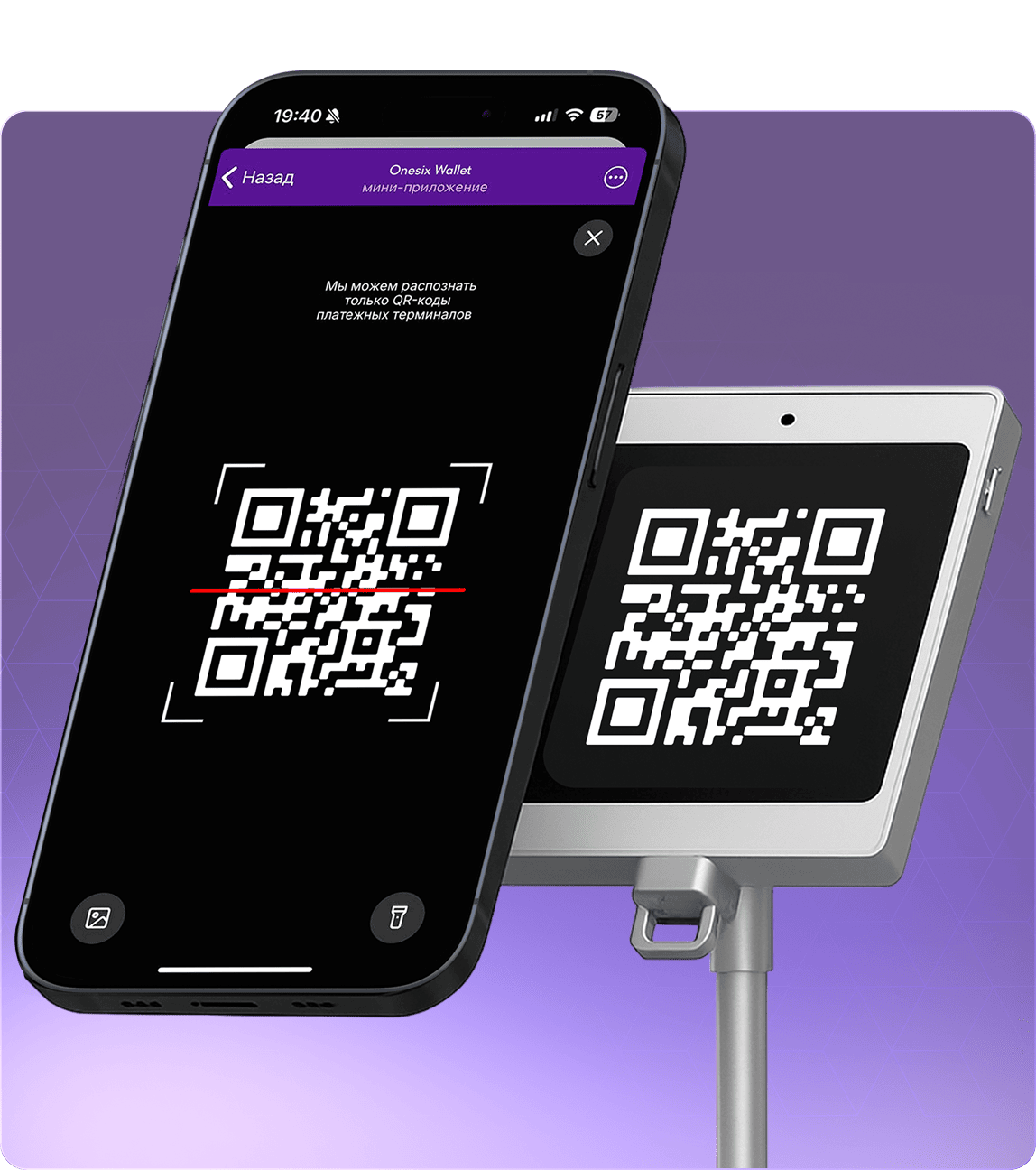
- support for flows like «receive USDT → convert to RUB → pay via QR/card» without technical friction.
Digital ruble, stablecoins and USDT TRC20 will coexist. OneSix aims to give you a safe, convenient and understandable interface to the part of this ecosystem that actually solves your day‑to‑day problems.