TRX Forecast for 2026 and How to Spend Crypto Conveniently in Russia via OneSix
TRX remains one of the most recognizable crypto assets thanks to the Tron network’s speed, low fees and the massive role of TRC‑20 USDT in everyday transfers. In 2026, TRX will depend on whether the Tron ecosystem can keep its edge in cheap transactions, maintain stablecoin liquidity and continue expanding beyond hardcore crypto users.
In this article, we look at the main factors that may affect TRX in 2026, outline realistic price scenarios and explain how to conveniently realize crypto in Russia and pay via OneSix. For users who rely on TRX and USDT as payment tools, this matters even more as demand grows for fast and predictable ruble payments.
Why TRX matters in 2026
Tron’s main strength is low transfer cost and fast settlement. That is why the Tron network has become one of the most popular homes for USDT in TRC‑20 format, while TRX acts not only as the native token but also as a core asset that supports the entire ecosystem.
In 2026, TRX may benefit from continued demand for cheap transfers, especially if users keep choosing Tron for stablecoin movement. The more activity flows through the network, the more relevant TRX remains as part of everyday crypto infrastructure.
TRX in 2026: base, bullish and bearish cases
Base case
In the base case, TRX keeps its role as one of the most practical coins for fast and low‑cost transactions. Tron remains a preferred network for USDT, and TRX shows moderate price action that reflects steady infrastructure demand rather than pure speculation.
Bullish case
In a bullish scenario, the Tron network continues to expand stablecoin volumes, and TRX benefits from additional demand linked to ecosystem activity. If the broader altcoin market strengthens, TRX could post meaningful gains thanks to the network’s utility and new use cases.
Bearish case
In a bearish scenario, TRX may face pressure from competing networks and weaker interest in altcoins overall. If market conditions turn less favorable, the coin could trade in a wide range without a strong trend, while still remaining useful for low‑fee transfers.
Key factors affecting TRX
- Stablecoin activity. The higher the USDT volumes on Tron, the stronger the network’s role and the demand for its native token.
- Fees and speed. Easy and inexpensive transfers remain Tron’s main advantage.
- Competition. Tron must keep users engaged as other fast blockchains and L2 solutions grow.
- Market cycles. TRX, like other altcoins, is sensitive to broader crypto sentiment and Bitcoin-led cycles.
Risks for TRX investors
- Stablecoin dependence. A large share of Tron’s real demand comes from USDT, so any changes there can affect the network.
- Regulatory pressure. Payment and infrastructure projects in crypto always depend on the legal environment.
- Altcoin volatility. Even with strong utility, TRX can move sharply on market news.
- Payments competition. Cheaper or more convenient alternatives could gradually reduce Tron’s share in transfers.
Important: any TRX forecast is a scenario, not a promise. This article is not financial advice.
TRX as a portfolio asset and everyday tool
TRX can be seen not only as a speculative asset but also as part of an infrastructure-focused crypto portfolio. If you frequently move USDT, rely on fast transfers or work with services where low fees matter, Tron remains one of the most practical networks.
For users in Russia, the combination of speed, simplicity and predictability is especially valuable. That is why many people use Tron as a transport network and then cash out or spend funds through services that convert crypto into rubles without the hassle of repeated P2P deals.
How to realize crypto in Russia: general approach
Direct crypto payments are still restricted in Russia, so users look for convenient ways to convert to rubles and then pay for goods and services. In practice, this usually means using exchanges, wallets and payment services that accept crypto and send rubles to the merchant on your behalf.
For everyday spending, QR‑based SBP payments are especially convenient: the user pays with crypto, while the recipient sees a standard ruble payment. This reduces the risk of bank issues and makes crypto spending feel much more like regular cardless payments.
OneSix: a convenient way to pay with TRX and USDT
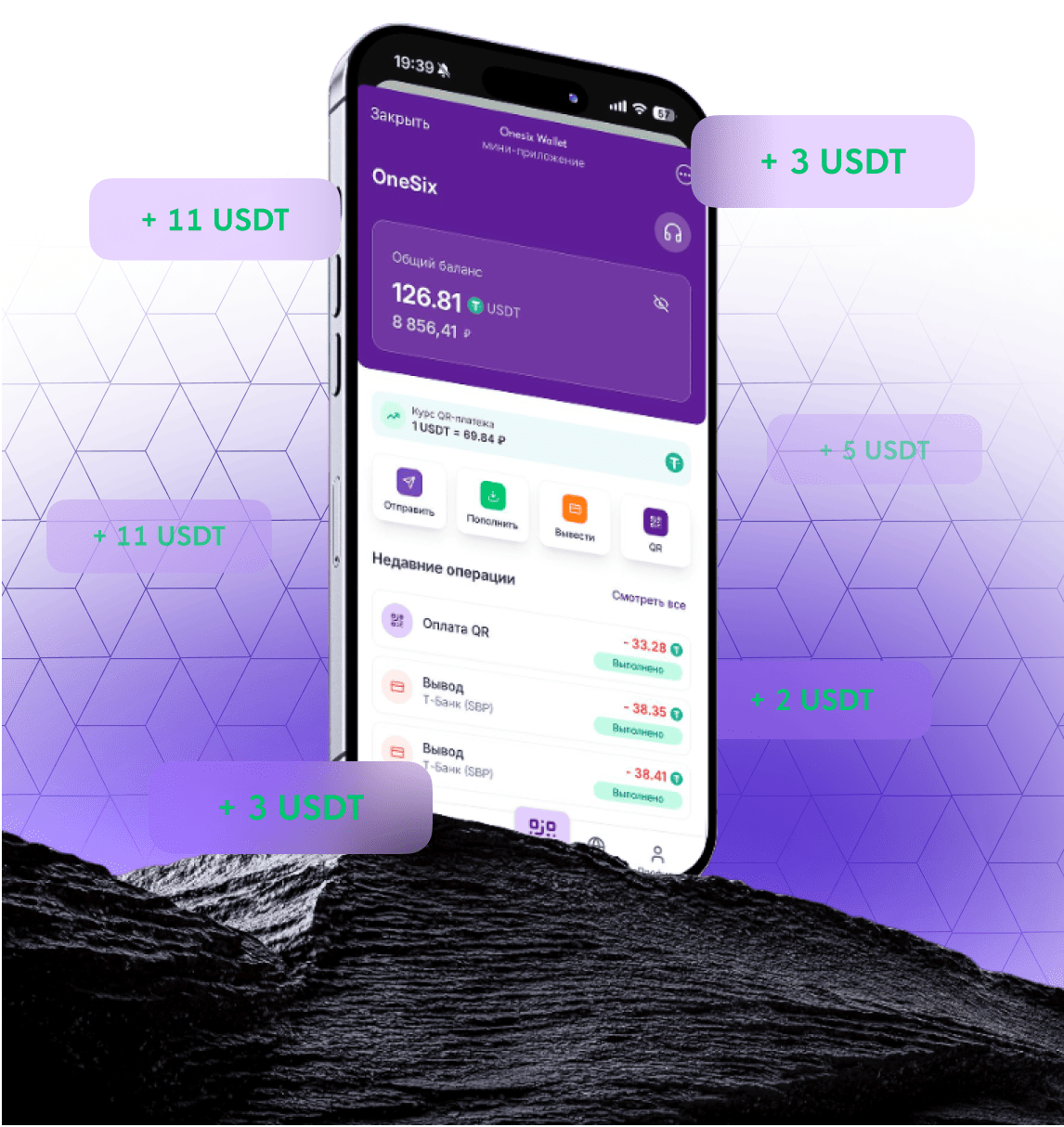
OneSix is a crypto wallet and payment service that helps users in Russia store, move and spend crypto in a simple, familiar way. With OneSix, you can top up your wallet, pay via SBP QR codes and withdraw funds to Russian bank cards.
For a TRX holder, the flow is straightforward: you can move TRX to an exchange, convert it to USDT, send the USDT to OneSix and then use the wallet for payments. In the end, your crypto stays with you, but spending in Russia becomes as convenient as paying in rubles.
How to pay with crypto via OneSix (step by step)
- Open the OneSix Wallet Bot on Telegram and create a wallet.
- On an exchange, swap TRX to USDT if you plan to use the wallet for spending and withdrawals.
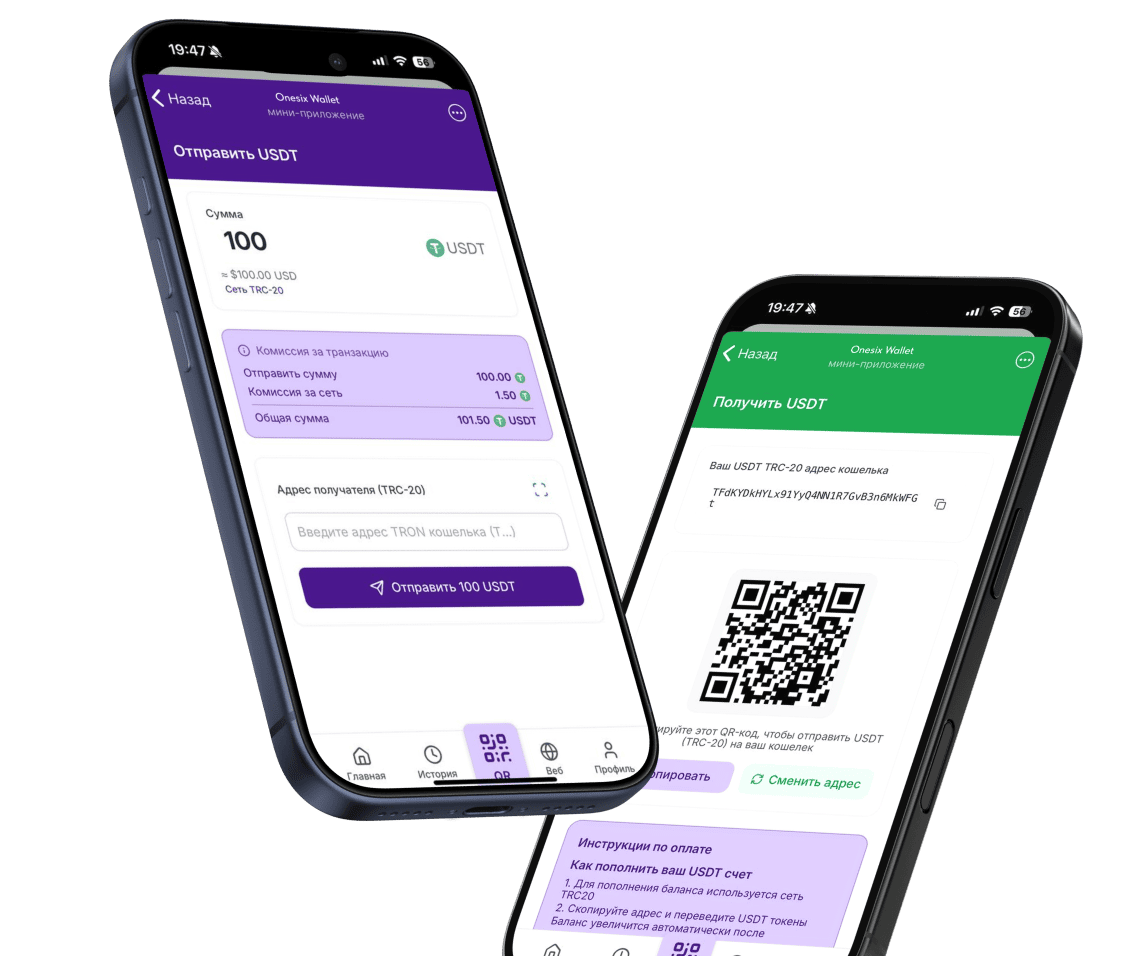
- Top up OneSix by sending USDT to the provided address.
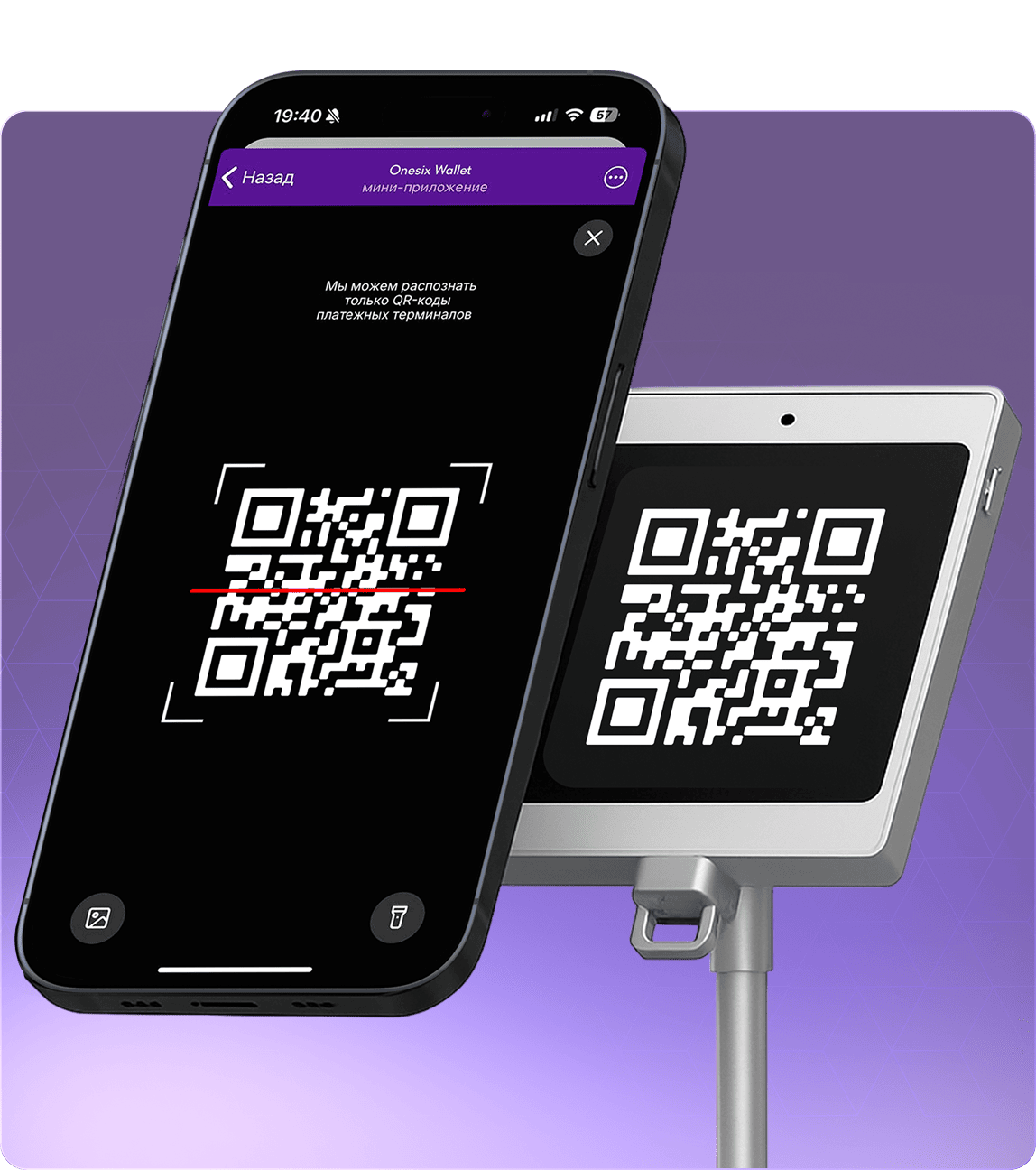
- When paying for a product or service, choose SBP QR payment and scan the QR code inside OneSix.
- Confirm the transaction — the service converts your crypto to rubles and sends the payment to the merchant.
Withdrawing to rubles and cashing out via OneSix
If you need more than payments and also want a bank card cash‑out, OneSix helps you convert crypto to rubles in a more predictable way. Small amounts are usually paid out as standard transfers from a legal entity, while larger operations go through controlled channels.
This approach is useful because it lets you use TRX and USDT as practical crypto tools without complicating life with constant P2P trades and manual exchanges.
Read also: ETH forecast
If you are also interested in another major market asset, check out this separate OneSix article: ETH Forecast for 2026 .