12 min read

Money Routes in 2026: P2P, Crypto Exchangers or a Wallet Like OneSix?

P2P, online exchangers and crypto wallets: comparing routes for converting USDT and crypto to RUB in 2026. Fees, risks, card blocks and why USDT TRC20 + OneSix is a practical stack for Russian users.

Money Routes in 2026: P2P, Crypto Exchangers or a Wallet Like OneSix?

Money Routes in 2026: P2P, Exchangers or a Crypto Wallet Like OneSix?

Three core routes for USDT and crypto: exchange P2P, online exchangers and a wallet-centric flow. We compare fees, risks and comfort for Russian users.

Why money routes matter more than ever

In 2026, there are many ways to turn USDT or other crypto into rubles: P2P on exchanges, local online exchangers, OTC desks, wallet off-ramps, bank-card withdrawals and more. In practice, most flows boil down to three base routes:

  • P2P deals on exchanges or dedicated P2P marketplaces;
  • online exchangers or OTC services with a fixed spread;
  • a crypto wallet that becomes the main hub for receiving, storing and moving funds.

Your choice of route affects fees, card-block risks, paperwork and how much time you spend dealing with support instead of moving money.

P2P: flexibility with human-factor risk

For many Russian users, P2P remains one of the most practical ways to move between RUB and USDT. The platform provides the interface and escrow, while the actual deal happens between two individuals.

Pros of P2P

  • often the best rate thanks to competition between merchants;
  • many payment methods, including local bank transfers and SBP;
  • good flexibility for small and large amounts.

Cons and risks of P2P

  • fraud and disputes: fake payment confirmations, delayed releases, bad counterparties;
  • bank compliance risk when you receive many similar transfers;
  • high need for discipline: screenshots, order notes and clean transaction history.

P2P works well, but it rewards careful users and punishes sloppy habits.

Online exchangers and OTC: simpler, faster, usually more expensive

Online exchangers and OTC services feel closer to a classic exchange office: you see the rate, the limits and the service itself acts as your counterparty.

Pros of exchangers

  • less direct communication with random counterparties;
  • clear rate and a more predictable process;
  • often more convenient for repeat conversions and routine off-ramping.

Cons of exchangers

  • the rate is often worse than on P2P;
  • you must carefully check the service reputation;
  • limits and compliance policies may vary a lot from one provider to another.

Wallet-centric route: when the wallet becomes the hub

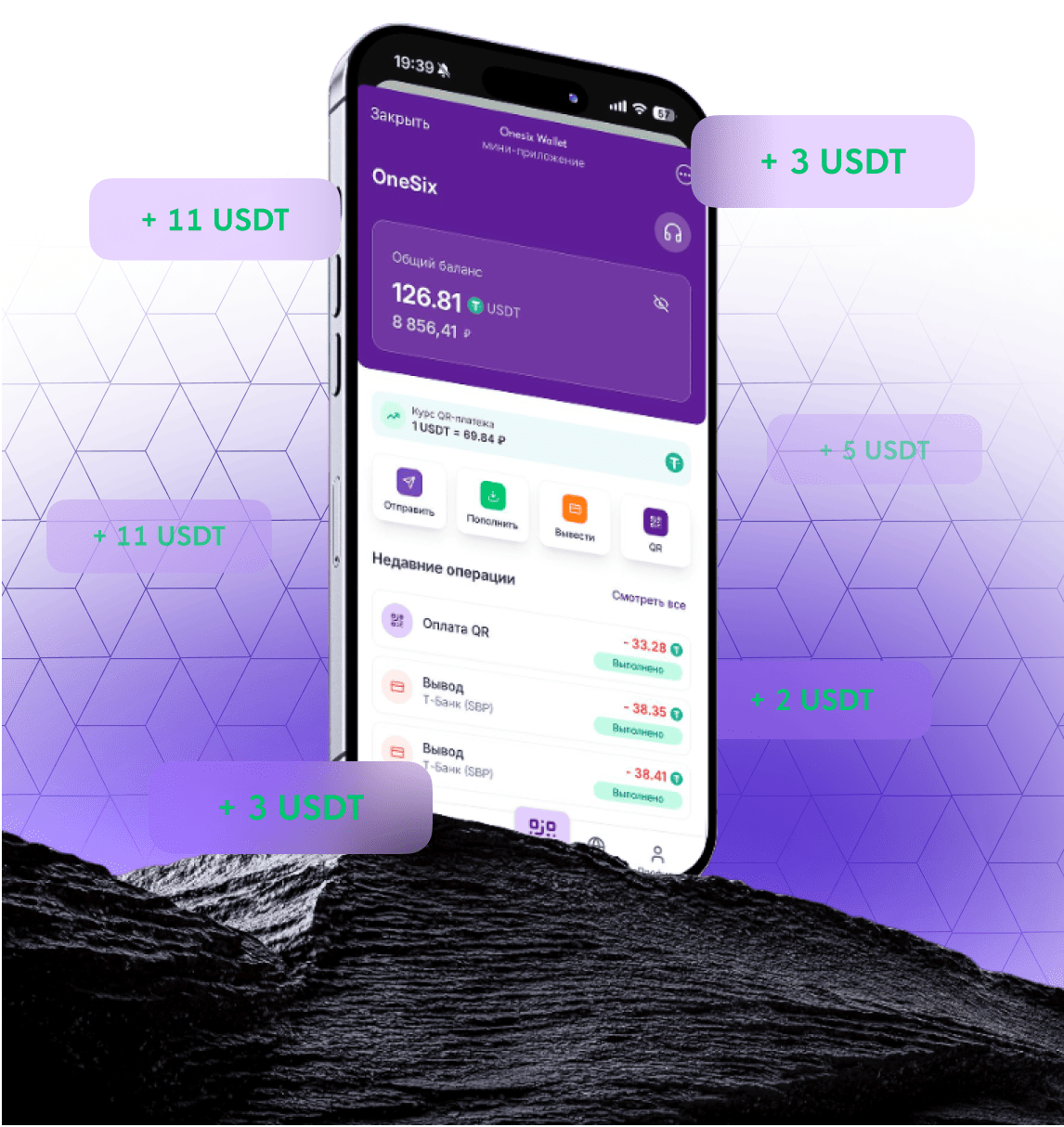
The third route is when you stop building everything around a single exchange or exchanger and instead use a dedicated crypto wallet as the center of your flow. The wallet receives USDT, shows you balances and statuses, and then connects to different scenarios: withdrawal, payment, storage or conversion.

The “USDT TRC20 → OneSix → RUB” route for Russian users

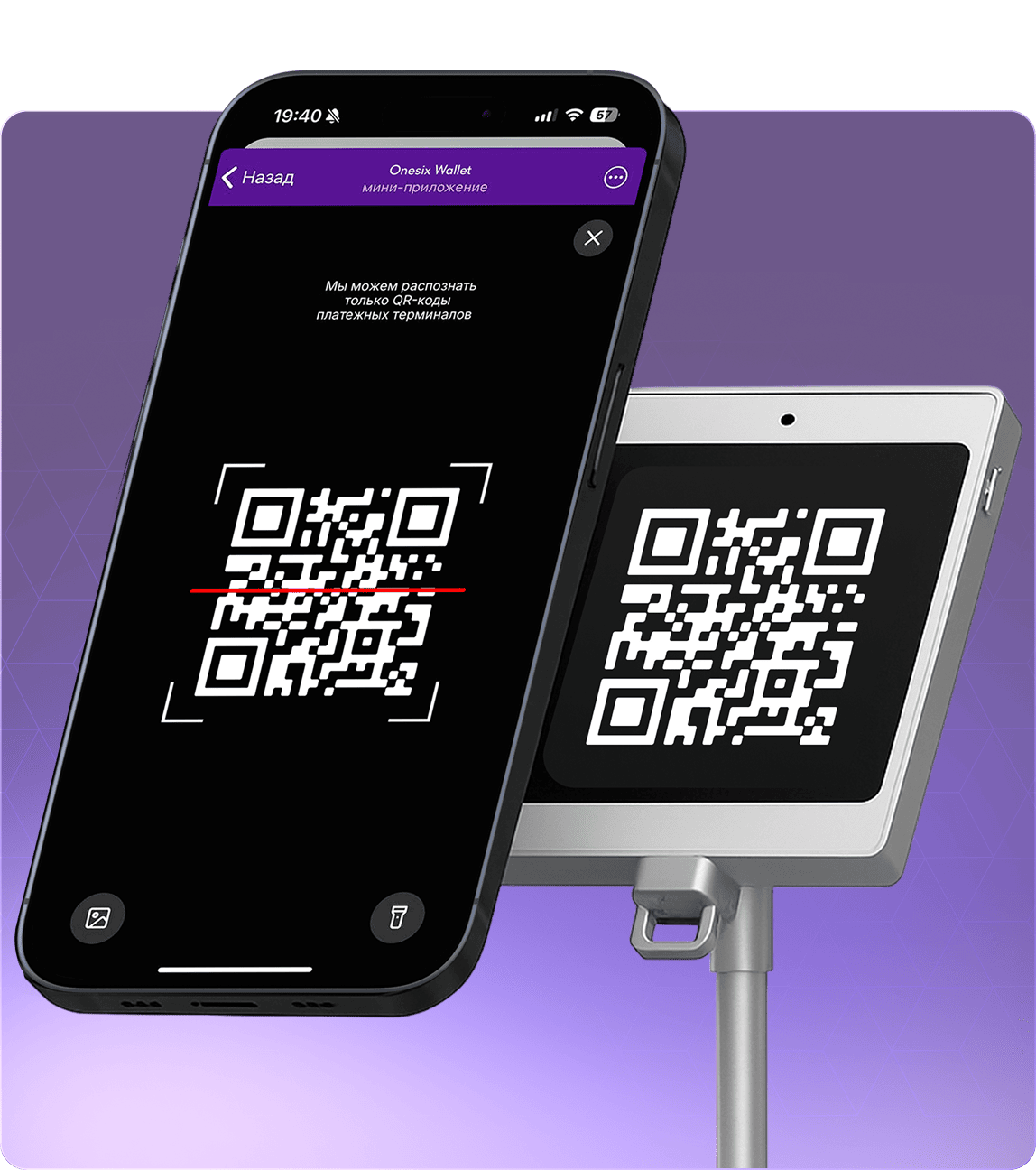
OneSix is built around USDT on the TRC20 network and practical flows like “receive crypto → convert to rubles → pay via QR or card” for users in Russia.

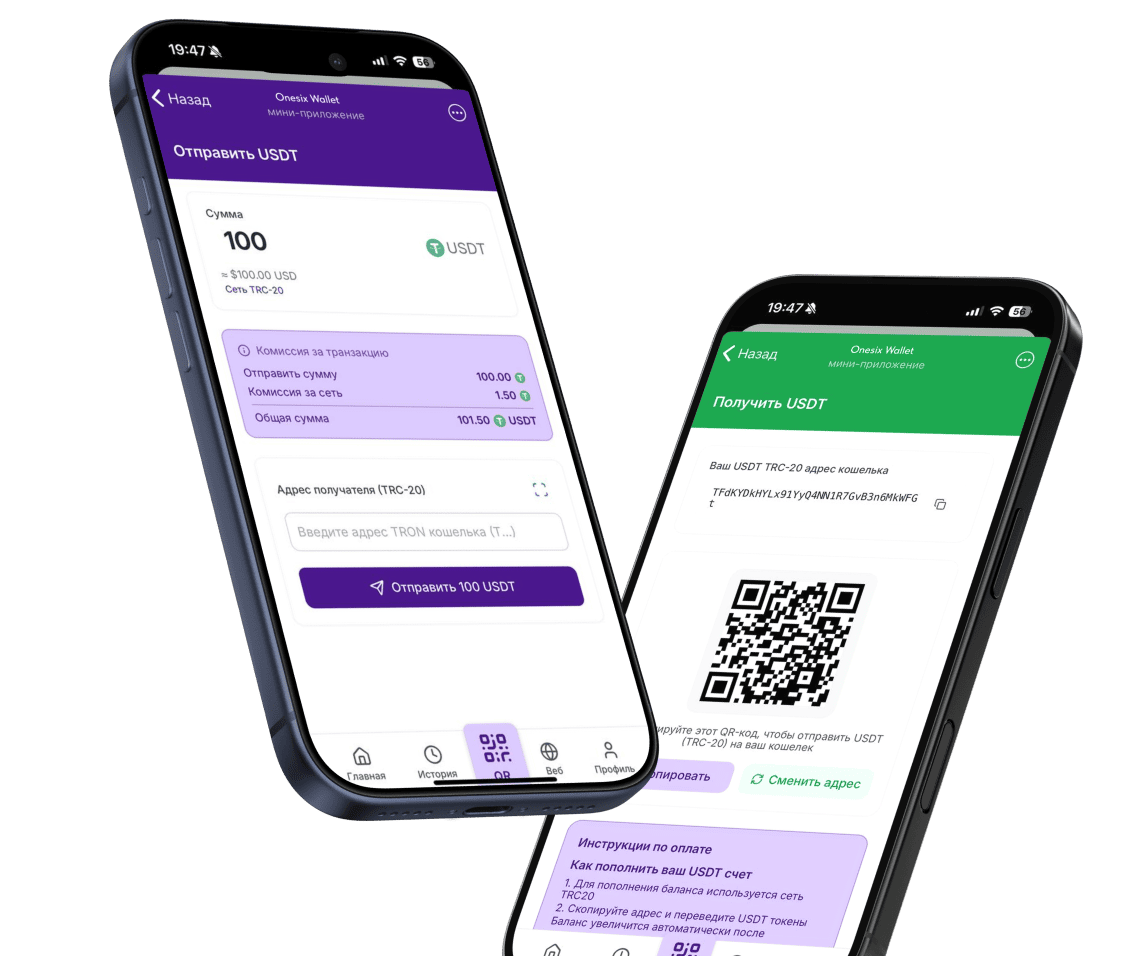
  • you receive USDT TRC20 directly to your OneSix wallet address;
  • the wallet clearly shows transaction status, network and expected fees;
  • then you can move to payment or withdrawal in the format that fits your situation.

If you want to understand the payment side of this flow in more detail, read the OneSix article “How QR Payments via Russia’s SBP Work — and Can You Pay with Crypto?”. It naturally extends this topic by explaining what happens after the “crypto → rubles” step and how QR-based payments fit into the Russian payment infrastructure.

The idea behind OneSix is not to replace every exchange or exchanger, but to become a practical control point for your money routes, so you can choose the path that fits each transfer.

Comparing the routes: P2P, exchanger, wallet

Route Pros Cons Best for
P2P on exchanges Often the best rate, flexible payment methods, high liquidity. Fraud risk, disputes, extra attention from banks. Experienced users comfortable with counterparties and bank compliance.
Online exchanger / OTC Fast, simple, predictable flow, less direct contact. Usually a weaker rate than P2P and strong dependence on provider quality. Users who value convenience and are willing to pay a premium for it.
Wallet-centric route via OneSix Convenient USDT intake, one control point, natural link to withdrawal and payments. Requires a one-time setup of the workflow that fits your banks and limits. Freelancers, arbitrage traders, small businesses and anyone with recurring crypto flows.

How to choose the right route

If your priority is the best exchange rate

P2P is often the winner. You usually get more offers and tighter spreads, but you pay for that with time, attention and exposure to human-factor risks.

If your priority is comfort and speed

An exchanger or a clear wallet-plus-service setup usually makes more sense. The rate may be slightly worse, but the process becomes easier to repeat and easier to explain.

If USDT flows are part of your routine

Then it makes sense to build around a hub wallet rather than jumping between platforms every time. A wallet like OneSix can receive USDT, keep your history in one place and then route funds where they need to go: into rubles, into payments or into savings.

OneSix mini-checklist

  • Separate where you earn crypto from where you cash it out.
  • Do not run dozens of small repetitive transfers through one card.
  • Keep transaction history and screenshots of important conversions.
  • Use a wallet where USDT TRC20 is easy to track without noise from networks and tokens you do not actually use.

It is more useful to think of transfers as routes than as isolated trades. The simpler and more transparent your setup is, the easier it becomes for you, your bank and your business — and a wallet like OneSix can serve as the control panel for that system.