9 min read

ETH Forecast for 2026 and How to Spend Crypto Conveniently in Russia via OneSix

ETH forecast for 2026: key growth drivers and risks. Scenario overview for Ethereum and a step‑by‑step guide on how to realize and spend crypto in Russia via OneSix.

ETH Forecast for 2026 and How to Spend Crypto Conveniently in Russia via OneSix

ETH Forecast for 2026 and How to Spend Crypto Conveniently in Russia via OneSix

Ethereum remains the leading smart contract platform, and ETH is still the core asset behind DeFi, NFT and the L2 ecosystem. In 2026, ETH performance will depend on several key factors: scaling upgrades, institutional demand, competition from other L1 chains and regulatory changes. Any price target is just a scenario rather than a promise — the market is highly volatile, so investors should think in terms of probabilities and risk profiles.

Main drivers for Ethereum in 2026

After the transition to Proof‑of‑Stake and upgrades that reduced Layer‑2 fees, Ethereum’s roadmap focuses on scalability and user experience. In 2026, the network continues to develop blob transactions, danksharding and a rollup‑centric architecture, aiming to make Ethereum affordable and responsive for a wide range of users and applications.

Additional long‑term support for ETH comes from the growth of L2 networks, widespread stablecoin usage, the rise of tokenized real‑world assets (RWA) and interest from institutional players. For long‑term forecasts, these structural factors matter more than short‑term price swings: the broader and deeper the use cases, the more sustainable the demand for ETH.

ETH in 2026: base, bullish and bearish scenarios

Base case

In the base case, Ethereum continues to act as the default smart‑contract platform, keeping a strong share of the market. L2 fees remain low, protocol upgrades roll out without major disruptions, and the ecosystem grows steadily. Under this scenario, ETH delivers moderate growth versus prior years with periodic corrections, and actual returns depend on entry points and overall market cycles.

Bullish case

In a bullish scenario, technical progress is amplified by macro tailwinds: robust institutional adoption, successful crypto ETFs, expanding on‑chain applications and mass use of stablecoins and RWA on Ethereum. ETH may then show multi‑fold upside from prior cycle lows, but with intense volatility and sharp pullbacks characteristic of crypto bull markets.

Bearish case

The bearish scenario combines regulatory pressure, prolonged weakness in Bitcoin cycles and rising competition from alternative high‑throughput chains. Here ETH could trade sideways in a wide range or revisit prior lows, and returns for 2026 would depend on the ability to average in at attractive levels and maintain a long‑term view.

Key risks for ETH investors

  • Regulatory risk. Changes in crypto regulation, classification of ETH, and rules for infrastructure providers.
  • Technology and competition. Potential protocol vulnerabilities, delays in upgrades and progress by rival ecosystems.
  • Market volatility. Sharp corrections driven by macro news, leverage liquidations and shifts in market sentiment.
  • Operational risk. Loss of wallet access, transfer mistakes and using unreliable services for cash‑outs.

Strategies for working with ETH in 2026

Rather than trying to predict an exact ETH price for the end of 2026, it is more practical to design a strategy around scenarios and time horizons. Long‑term holders may prefer gradual accumulation with partial profit‑taking during rallies, while active traders will focus more on liquidity zones, reactions to protocol upgrades and overall market cycles.

Another critical aspect is deciding how you will use realized gains: keep everything on‑chain in ETH or periodically convert part into fiat and spend it. For users in Russia this question is especially important due to restrictions on direct crypto payments and tighter scrutiny of P2P transfers by banks.

Realizing crypto in Russia: general approaches

In Russia, there is still no straightforward legal mechanism to pay merchants directly in cryptocurrency, so users combine exchanges, P2P platforms, exchange services and payment providers that handle conversion and send rubles to merchants. When choosing a path, it is essential to consider not just the rate, but also the risk of bank card freezes and the reputation of the service you use.

For everyday spending, a practical setup often looks like this: hold part of your capital in ETH or stablecoins, use reliable venues to convert a portion into USDT on a low‑fee network, and then rely on specialized services that integrate with Russian banks and SBP QR codes for payments and withdrawals.

OneSix: a convenient way to spend crypto and withdraw rubles

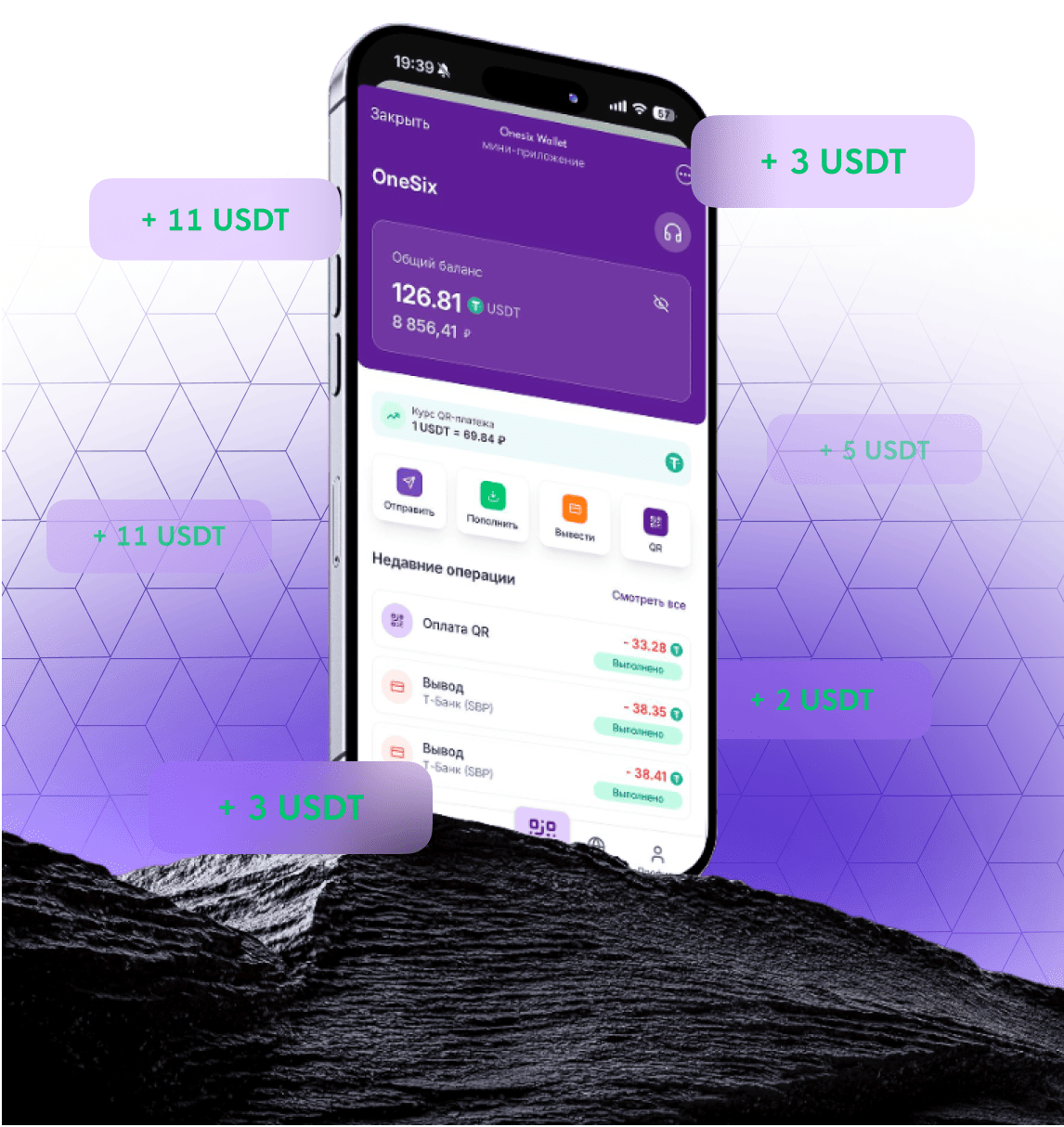
OneSix is a crypto wallet and payment solution in one, focusing on USDT and ruble payments. Users hold crypto in their wallet, while the service takes care of conversion and ruble payouts via SBP QR codes and transfers to Russian bank cards.

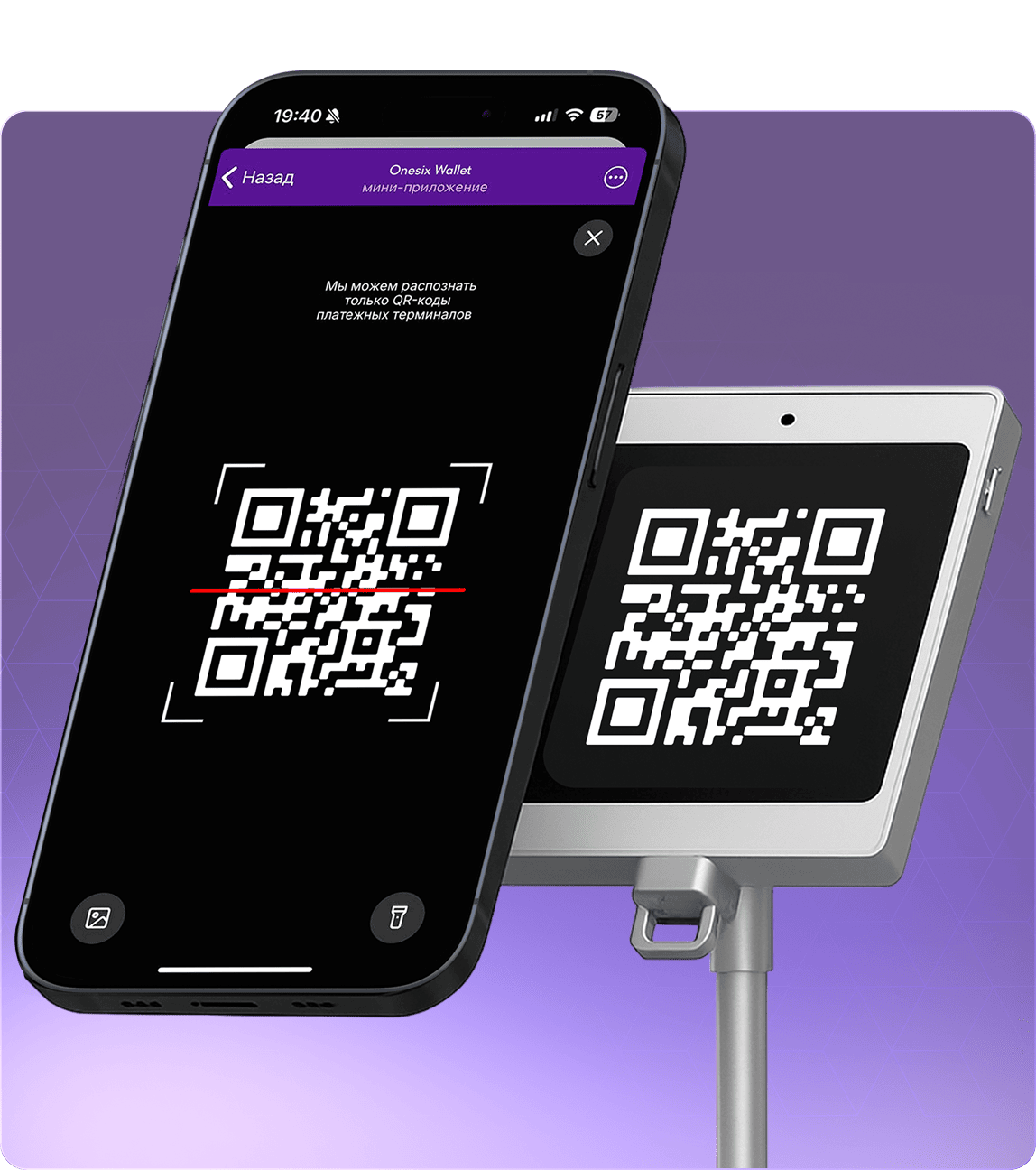
A typical flow looks like this: you convert part of your ETH into a stablecoin (such as USDT) on a suitable network and send it to your OneSix wallet. When paying for goods or services at a marketplace or offline merchant, you select SBP QR payment, scan the QR with OneSix, and the service debits crypto from your balance while the merchant receives rubles as a standard payment.

How to pay with crypto via OneSix (step by step)

  1. Create a OneSix wallet (via Telegram bot or app) and enable two‑factor authentication.
  2. Swap the desired amount of ETH to a stablecoin on your exchange or non‑custodial wallet, choosing a low‑fee network.
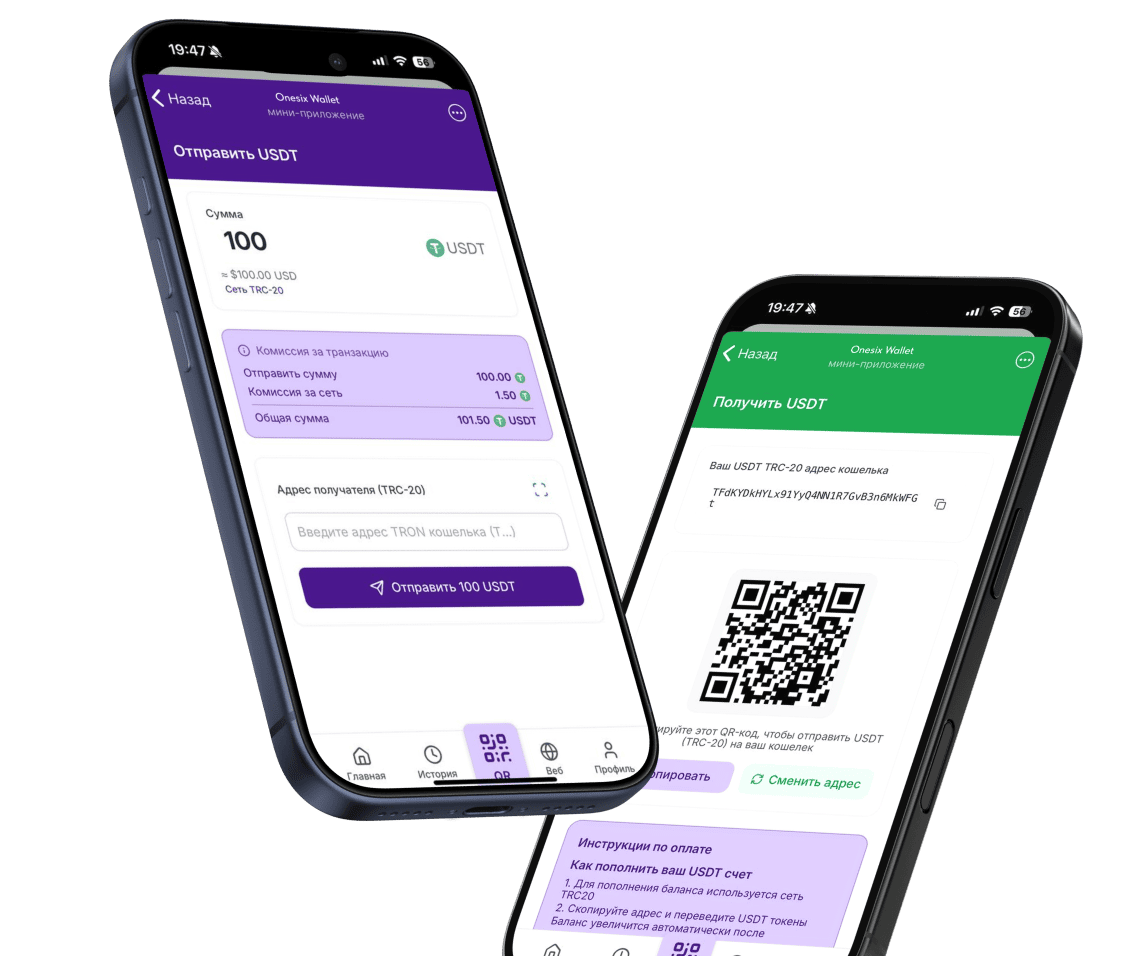
  3. Transfer the stablecoin to your OneSix wallet address.
  4. When checking out with a Russian merchant, choose SBP QR payment and scan the QR code using the OneSix interface.
  5. Confirm the transaction — OneSix converts your crypto to rubles and sends the payment; you can track the status in the app.

Withdrawing to rubles via OneSix

If you need fiat on your bank card rather than direct QR payments, you can use OneSix withdrawal options. Smaller payouts are typically sent as standard transfers from a corporate account, while larger amounts are handled via controlled channels managed by the service. This reduces the likelihood of bank questions and offers a more compliant pathway for using crypto proceeds.

Read also: detailed ETH cash‑out guide

For a more detailed, step‑by‑step guide on cashing out Ethereum to cash and cards in Russia, see the dedicated article: How to Cash Out Your Ethereum: The Cheapest Way to Convert Crypto to Cash .

Conclusion: ETH in 2026 and the role of OneSix

The ETH forecast for 2026 depends on many moving parts, but structural trends — scalable L2s, lower fees, institutional adoption and growing real‑world use cases — form a solid foundation for long‑term demand. Equally important is having a clear plan for how to use realized gains when the market moves in your favor.

OneSix addresses the practical side of this equation: you can keep your capital in ETH and stablecoins, while spending and withdrawing funds in Russia as familiar ruble payments. This combination lets you capture the upside of crypto assets while enjoying the convenience of traditional finance rails.