11 min read

Crypto and Banks: How to Prepare a “Client Dossier” to Pass 115‑FZ Checks Calmly

A practical guide for Russian crypto users: how to prepare a “client dossier” — a set of documents and explanations about the origin of funds — to pass bank checks under 115‑FZ calmly in 2026.

Crypto and Banks: How to Prepare a “Client Dossier” to Pass 115‑FZ Checks Calmly

Crypto and Banks: How to Prepare a “Client Dossier” to Pass 115‑FZ Checks Calmly

By 2026, Russian banks have effectively adopted a “block first, ask questions later” model: under 115‑FZ, not only obviously grey schemes, but also ordinary users who actively cash out crypto into rubles may face freezes and document requests. In this environment, the key to peace of mind is a pre‑prepared “client dossier” — a set of documents and explanations that demonstrates to the bank that your funds have a lawful origin and your transactions make economic sense.

This article explains what exactly should be included in such a dossier for someone whose income involves cryptocurrency, and how it helps you get through 115‑FZ checks without panic.

What banks want to see under 115‑FZ

115‑FZ obliges banks to combat money laundering and terrorist financing. In practice, this means that every non‑standard operation — especially large transfers between individuals, frequent P2P deals, and transit‑style money movements — lands in monitoring systems. If the bank cannot understand the economic purpose of a transaction, it has the right to suspend it and request documents and explanations from the client.

In other words, the bank cares about three things: who you are (client profile), where your money comes from (source of funds), how you have built your wealth (source of wealth), and whether card and account behaviour matches that profile. A solid “client dossier” answers these questions up front.

Why crypto users need a “client dossier”

If you regularly buy and sell crypto, receive income in it for your work or investments, and then withdraw rubles to a card, you fall into a higher‑risk group from the bank’s perspective. Without documentation, this can look like an exchange desk, money mule or participant in grey schemes. With a dossier, you become a clear, transparent client with a logical business or investment profile.

Preparing a dossier does not stop monitoring from happening, but it greatly increases the chances of a quick and painless outcome: instead of scrambling to find contracts and screenshots, you simply send a pre‑assembled package.

Core components of a crypto user’s “client dossier”

A strong dossier consists of several blocks.

1. Profile and legal status

  • Who you are legally. Individual, self‑employed, sole proprietor or company owner. Copies of tax ID, self‑employed registration, extract from the register for sole proprietors/companies.
  • What you do. Short description of primary activity: freelance, software development, consulting, trading, investing.
  • Official income sources. Contracts with key clients, salary certificates, data from self‑employment or business filings.

This block’s role is to show that your account and card activity is connected to real work or business, rather than existing in a vacuum.

2. Source of funds (SoF)

  • Exchange and wallet statements. CSV files or screenshots from your main platforms (Binance, Bybit, etc.): deposits, withdrawals, trade history, balances on key dates.
  • Documents for large in‑ and out‑flows. Screenshots of orders, transaction IDs, confirmations of deposits and cash‑outs.
  • Description of your standard scheme. For example: “I receive USDT as payment for services, transfer part to an exchange once a month, convert to rubles, and withdraw to a card within an X ruble limit per month.”

Source of funds answers the question “where does your money come from right now?”. For crypto, banks care about a clear chain “client/exchange/wallet → you” and the absence of anonymous “gifts” from unknown people.

3. Source of wealth (SoW)

  • Overview of your capital. How you built your main savings: years of work, selling a business, long‑term investments, inheritance.
  • Supporting documents. Long‑term employment contracts, historical income statements, sale agreements, broker statements.
  • Link to current operations. An explanation of why your present‑day crypto activity is proportionate to your past income, rather than a sudden unexplained spike.

Banks look not only at individual transactions, but at your overall financial picture. If large amounts are well explained by your past experience and income, trust increases.

4. Documentation for specific crypto operations

  • Logs of P2P deals. Saved order IDs, chat records with counterparties, screenshots of payments and card statements.
  • Receipts and payment purposes. Clear payment notes and linkage to a real operation: purchase/sale of crypto or payment for a documented service.
  • Tracking rates and tax base. A simple table with dates, rates, amounts and operation type that you can use later when filing tax returns.

For crypto, it is important to show that you are not participating in opaque schemes and that you have a full trail of transactions — from blockchain transaction to bank payment.

Account behaviour: how not to look like a “money mule”

No dossier will help if your real‑world card behaviour looks like that of a money mule or exchange desk. Some basic rules of conduct are crucial:

  • Do not turn your personal card into a P2P hub. Avoid dozens of incoming transfers from unknown individuals in short periods of time.
  • Avoid making your card purely transit. Do not forward everything you receive further down the chain on the same day; leave funds on the card for everyday expenses.
  • Do not split large sums into many small, pointless payments. Structuring is a classic trigger for monitoring.
  • Separate personal and “crypto” flows. Ideally, have a dedicated account for business/crypto‑related operations instead of mixing them with salary and family transfers.

The more your card behaviour resembles normal life (salary, purchases, one or two understandable withdrawals), the lower the chance of aggressive AML scrutiny.

How OneSix and QR payments can help

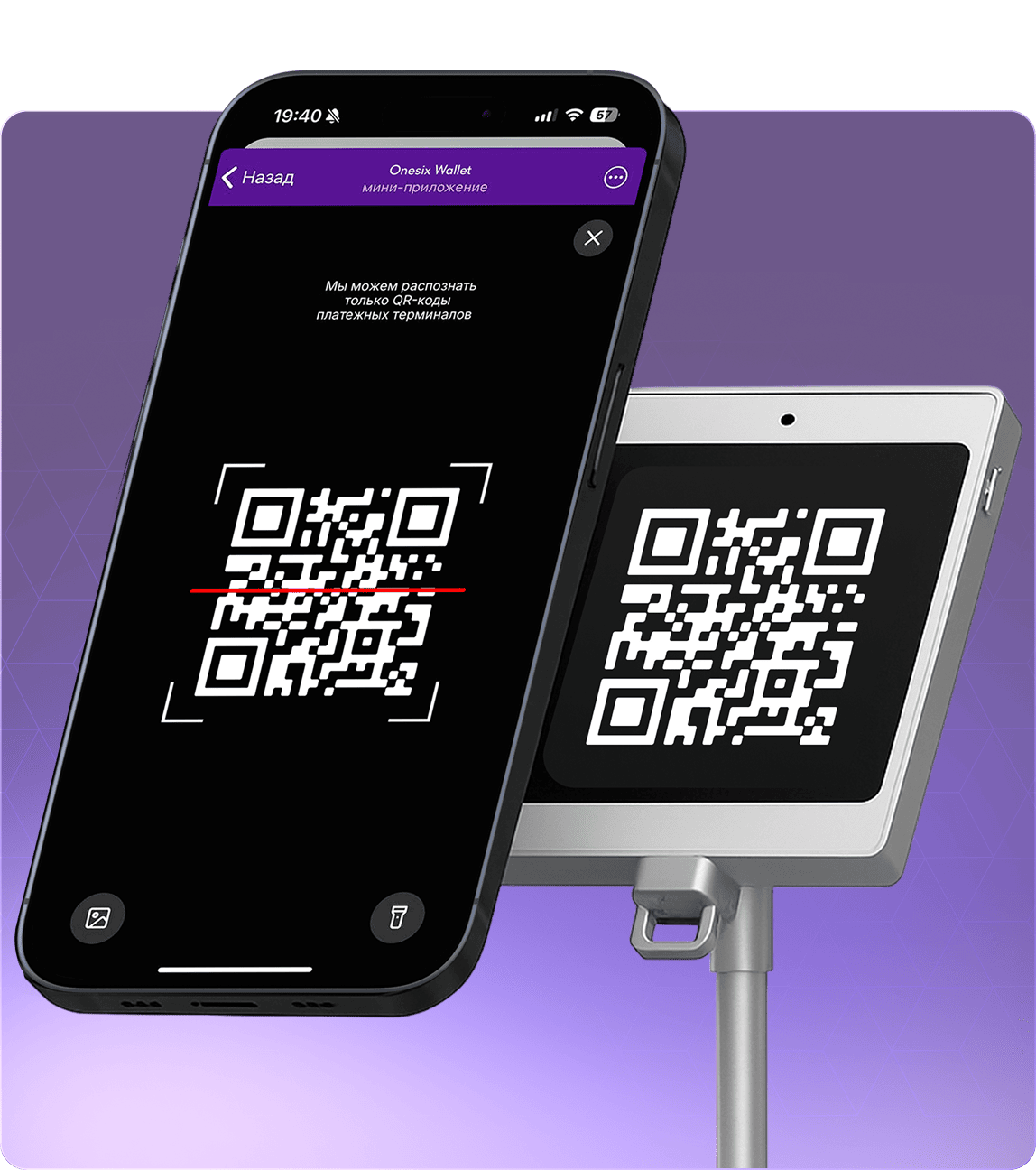
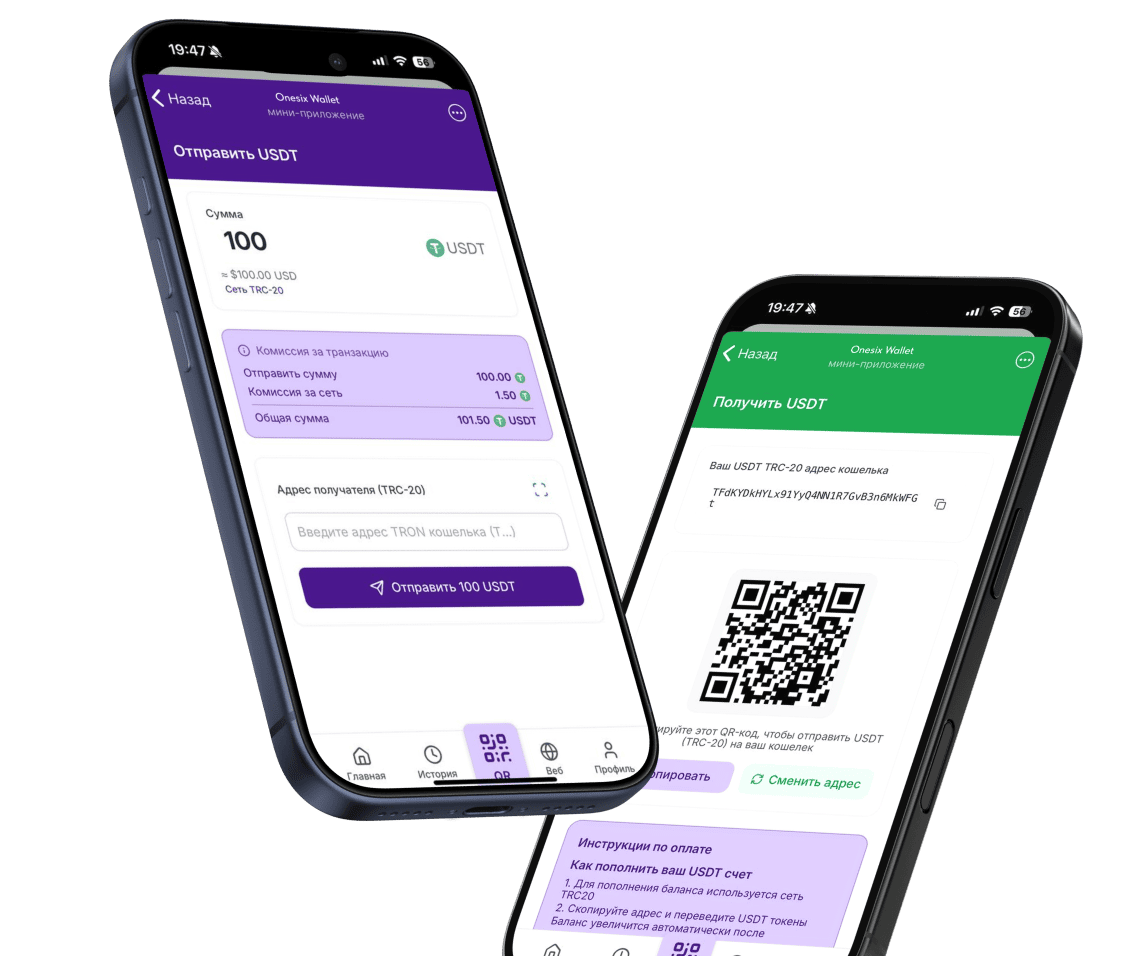
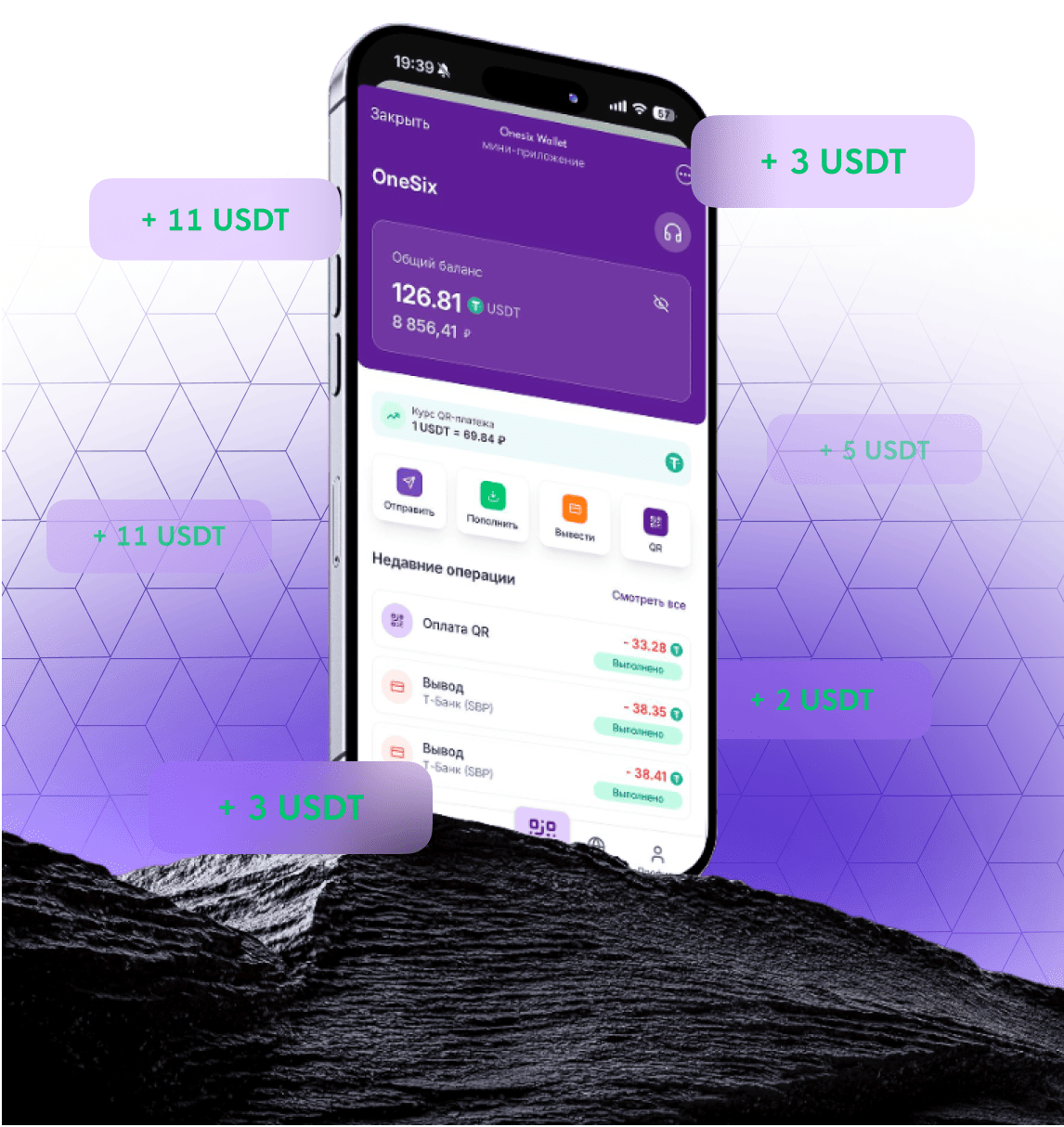
One of the most reliable strategies for crypto users is to minimise direct P2P cash‑outs to cards and rely more on “white” payments via a trusted service. OneSix lets you hold USDT and pay for goods and services in Russia with ruble SBP QR codes.

With this approach, your bank cards see not chaotic P2P flows but:

  • standard QR payments for tickets, hotels, marketplaces and services;
  • rare, understandable inflows from a legal entity or payment agent (for example, partial cash‑outs in rubles);
  • clearly documented expenses that are easy to explain to the bank and tax office.

Your dossier then includes USDT statements, OneSix operation logs and a list of ruble payments that together form a transparent story: you held crypto, converted it lawfully, paid for concrete things and kept all the relevant records.

How to respond to a bank’s 115‑FZ request

If the bank does send you a request, three steps matter most:

  • Clarify the reason. Ask which operations raised questions and under which internal rules the review is being conducted.
  • Send a structured package. Provide your prepared dossier: profile, source of funds/wealth, documents for specific operations, and a short cover letter.
  • Adjust your behaviour. Based on the feedback, reduce P2P activity if needed, change the card used for certain operations, or shift more routes into QR payments via OneSix.

The more quickly and transparently you respond, the better your chances that the review ends without account closure or heavy restrictions.

Quick checklist for a crypto user’s “client dossier”

  • Define your status (individual, self‑employed, sole proprietor) and collect basic documents for it.
  • Save statements from core exchanges and wallets, especially for large operations.
  • Maintain a simple log of crypto activity: dates, amounts, rate, type of deal, counterparties.
  • Separate personal and crypto flows; do not turn your card into a transit P2P node.
  • Where possible, move everyday spending and part of your cash‑outs into QR payments via services like OneSix.
  • Draft a template explanatory letter for the bank: who you are, what you do, how you earn, and why your operations are reasonable.

This material is for informational purposes only and does not constitute legal or tax advice. Before choosing a specific working setup, status (individual, self‑employed, sole proprietor) and cash‑out route, consult a qualified lawyer or tax advisor.